
“This research adds to growing evidence that immunity in the mouth and airways plays a vital role in fighting infection. Strengthening these local immune responses through future mucosal vaccines and treatments could help stop respiratory viruses at their point of entry, offering a promising new approach to preventing the spread of Covid-19 and other respiratory diseases.”
Professor Stephen Challacombe, Martin Rushton Professor of Oral Medicine in King’s Faculty of Dentistry, Oral & Craniofacial Sciences
25 September 2026
Oral antibodies could help clear Covid-19 faster
Antibodies found in saliva may play an important role in helping people clear Covid-19 infection more quickly, according to new research published in Viruses
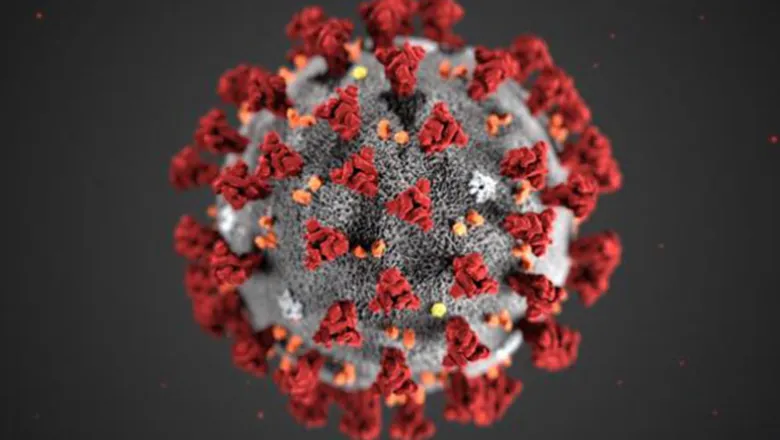
The Oral Microbiome & Mucosal Immunity in COVID-19 disease (MIMSA) study found that individuals who developed stronger antibody responses in their oral fluids tended to carry lower levels of the virus and eliminated it faster than those with weaker responses.
The findings add to growing evidence that the mouth is an important part of the body's immune defence against respiratory infections, including Covid-19. Antibodies present in saliva may contribute to reducing viral levels and supporting faster recovery.
The mouth is on the front line
When coronavirus enters the body, it first encounters the mucosal tissues lining the mouth, nose and upper airways. These surfaces form part of the immune system's first line of defence, producing specialised antibodies that can intercept viruses before they gain a foothold.
To investigate the role these antibodies play in Covid-19, researchers analysed blood and oral fluid samples from 173 patients in India with mild, moderate and severe disease. The team examined three antibodies that target the virus's spike protein: Immunoglobulin G (IgG), Immunoglobulin A (IgA) and Secretory IgA (SIgA).
While IgG and IgA mainly circulate in the bloodstream but can find their way to mucosa, SIgA is produced in mucosal tissues. The study found a clear relationship between salivary antibody levels and viral burden.
Most participants cleared the virus within the first few weeks of illness. By 14 days after symptoms began, only 28 per cent remained positive, while just 6 per cent continued to test positive after 30 days.
Patients with higher antibody levels in their oral fluids generally had lower amounts of SARS-CoV-2 genetic material present and tended to clear the virus more rapidly.
Variations with strain type and vaccination status
Previous infection and vaccination were also associated with faster viral clearance. Vaccinated participants developed higher levels of antibodies in both saliva and blood and experienced fewer moderate or severe cases of Covid-19.
The researchers also identified differences in response to Covid-19 variants. The Alpha variant produced the strongest IgG responses and was associated with lower viral burden, while Delta generated the highest levels of IgA and SIgA. Omicron infections produced the highest viral loads in oral fluids.
New approaches to preventing the spread of respiratory disease
The findings highlight the potential importance of mucosal immunity in protection against Covid-19 and may help inform the development of next-generation vaccines designed to generate stronger immune responses in the mouth and airways.
In this story

Martin Rushton Professor of Oral Medicine

Associate Dean for Postgraduate Taught Education

Clinical Research Dentist

Associate Dean for Doctoral Studies / Reader in Host-Microbiome Interactions

Lord Lab Manager

Reader in Systems & Synthetic Biology