
21 October 2026
When music became truly personal: the iPod at 25
25 years since the launch of the iPod, we ask our academics about its lasting impacts on the world of music.

On 23 October 2001, at an Apple event in California, Steve Jobs unveiled the iPod as a breakthrough device that “puts 1,000 songs in your pocket”.
Within six years, 100 million had been sold as people embraced its landmark design and ability to curate their own personal soundtrack through buying individual digital songs via iTunes.
To mark the anniversary of its launch, we explore the significance of the iPod, how much it paved the way for how we listen to music today and what might be on the horizon for the music industry.
We spoke with two experts from the Faculty of Arts & Humanities:
- Dr Andrew White, Senior Lecturer in Culture, Media & Creative Industries, Department of Culture, Media & Creative Industries
- Dr Rafal Zaborowski, Senior Lecturer in Digital Culture, Department of Digital Humanities

How significant was the iPod compared to what had gone before?
Andrew: The iPod and iTunes were a paradigm shift. It was a different business model to what went before as it demonstrated for the first time that you could monetise music from digital files and people would pay to listen to individual songs in a digital format.
Before this people would buy vinyl singles, but many often would buy albums, and music sales had been falling from a high point in the late nineties because of platforms such as Napster and an increase in piracy. The arrival of the iPod, iTunes and the streaming that followed to some extent saved the music industry. It was about creating a singular personalised experience.
Rafal: It was significant in many ways, although it’s worth remembering that it was part of a longer history of technologies. The Sony Walkman came out in 1979, and there were boomboxes and portable radios before that. Then we had the Discman, mp3 players, and file-sharing services like Napster which allowed people to share and access music on an unprecedented scale.
The iPod built on these developments and brought it all together in an elegant, portable package. With a personal library on them, audiences were able to beautify the everyday with personal soundtracks.
At the time, both the Walkman and the iPod also attracted moral anxieties. There were concerns that headphone users were withdrawing from public life or becoming unaware of their surroundings, with some attempts of regulating this on national levels.

What are some of the ways it has changed the music industry?
Rafal: We should be careful about attributing cultural changes to a single device but the separation of music listening from particular physical formats and from the organisation of albums were certainly big ones. The iPod made it so much easier to organise music into playlists and to shuffle. Of course, people had been making mixtapes before, but the scale and convenience were different.
The iPod contributed strongly to normalising digital purchases. This helped pave the way for the shift from owning music to accessing it through platforms.
Andrew: On streaming platforms artists only get paid for the first 30 seconds of the song and that works against the idea of long form music or the sort of concept albums you might have got in the past. Revenue is also distributed through a pro rata system, so artists get a proportion from the total revenue made from all streaming. It is not money for a single stream and that does risk some artists losing out. A niche artist might have an avid fan base who listens to their music a lot, but it just goes into the central pot, and they only get a proportion of that.
The money has gone out of the recording industry so they have to make their money from elsewhere so that might mean they focus more on gigs and merchandise, which could explain why prices for those feel like they have gone up disproportionately.
Technology today is blurring the boundaries so music is competing with other forms of media for our attention. The word podcast also originates from the iPod and it also enabled personalisation of how we receive information. Today musicians are competing with podcasters for revenue which did not happen in the past. If platforms such as Spotify are paying some podcast hosts huge sums of money that is coming from somewhere.

Have the ways we discover music or artists also changed?
Andrew: There used to be a big countdown on the radio each week at a set time to find out who was in the top five of the charts, but today that has gone.
The algorithm seems to direct people to listen to some artists more than others and that can mean those who are already popular become more popular. It feels like it privileges those who are already famous.
Personalisation also encourages relationships with presenters who might introduce them to new artists, but I suspect a lot of people find new music though playlists and it is quite opaque how they work. Some artists seem to get on them while others do not.
Rafal: In a relatively short span of time, we’ve moved from listening to music organised by artists and albums, to choosing it by song, by mood or vibe, by playlist. This has also changed the way also music is presented and circulated, and the role of more traditional opinion leaders such as record shop workers, radio and TV DJs and journalists. While they still matter, music discovery now takes place across platforms and contexts.
Playlists and algorithmic suggestions expose us to an unprecedented amount of music we might not have chosen otherwise. It offers opportunities for discovery but also raises questions about who controls what we see and can select, and whether this makes us more open or much more narrow-minded listeners.
Then there are short video platforms, where music is now often discovered or re-discovered through memes, fragments, sounds accompanying dance trends, etc. A song’s cultural moment is not limited to the year of its release. Our research on the revival of Kate Bush’s Running Up That Hill (1985), via Stranger Things and TikTok creativity, shows how older songs can acquire new meanings for younger generations. A similar thing happened to Connie Francis’s Pretty Little Baby last year.
Lastly, the device itself has changed. The iPod was primarily a device for accessing one’s personal music library. Modern smartphones combine music with work, social media, navigation and countless other activities.

Are there signs we are falling out of love with digital music with the resurgence of vinyl, CDs and cassettes?
Andrew: There is a nostalgia for some analogue media. Young people also tend to be politically aware, and some platforms could become unpopular, for example both Spotify and Amazon have come in for criticism, so they [young people] might not want to use them and look for an alternative.
Rafal: Interest in physical media is often contained within specific communities or regions. We have vinyl collectors, underground communities where cassette tapes remain important; we also have iPod modding scenes. And of course, countries such as Japan and more recently South Korea, where physical music sales are significant thanks partly to fan cultures and the idol system. In these contexts, physical releases may include collectible items or exclusive opportunities to participate and support or event meet artists.
But overall, streaming continues to grow and far surpasses physical formats in revenue. We still love streaming because of its convenience, but perhaps we are also rediscovering the value of physical, material media as something with unique meanings and emotional connections? Plus, these two are not mutually exclusive. Different formats fulfil different functions; collectors may own the same song across platforms and devices.

What do you think might be the next big trends for how we consume music?
Rafal: More of the same and perhaps more intensely. Further work on personalisation, with soundtracks dynamically adapting to individual contexts. Then of course AI and all the opportunities and dangers it brings, around creativity, authorship, but also listening and authenticity.
There are also interesting aspects via virtual idols and synthetic voices. Japanese vocal synth cultures, for example, have long demonstrated how audiences form meaningful relationships around synthetic music and collaborative participation.
There is also a tension build here between the personal and social use of music. With digital platforms, sharing playlists and online fandoms we see different forms of socialities. Music is extremely individualised but not really antisocial. Personal and social may happen simultaneously.
Andrew: I think that we might see a move towards people using other platforms such as Bandcamp where listeners can pay the artist directly. Some people ethically might want to feel the money is going to artists not intermediaries, so I think we will see people wanting to move more in that direction especially if over time we find music is becoming too uniform. The algorithm tends to reward uniformity.
AI is also a threat. If more and more songs uploaded to these platforms are AI generated, then the share of revenue paid to the artists will fall. People are looking for authenticity, and I think increasingly will want to ensure they are listening to human-created content.
In this story
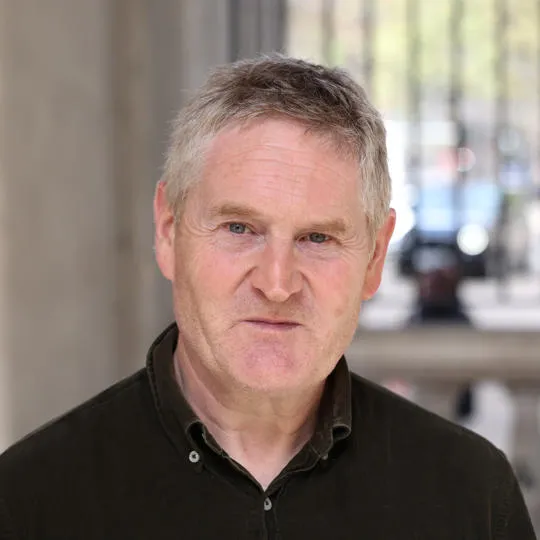
Senior Lecturer in Culture, Media & Creative Industries

Senior Lecturer in Digital Culture