

Dr Caroline Copeland
Senior Lecturer in Pharmacology & Toxicology
Research interests
- Pharmacology
- Forensics
- Population Health
- Public health
Contact details
Biography
Dr Caroline Copeland is a Senior Lecturer in Pharmacology and Toxicology at King’s College London and Director of the National Programme on Substance Use Mortality (NPSUM), the UK’s national surveillance programme for drug-related deaths.
Her research focuses on understanding, preventing, and responding to drug-related harms through the integration of toxicology, epidemiology, and public health policy. She has particular expertise in drug-related mortality, novel psychoactive substances, synthetic opioids, pharmacoepidemiology, and emerging patterns of substance use. Through NPSUM, she leads national surveillance and research programmes that use mortality, toxicology, and healthcare data to identify emerging threats, evaluate interventions, and inform clinical practice and public policy.
Dr Copeland is a member of the Advisory Council on the Misuse of Drugs (ACMD) Novel Psychoactive Substances Committee and serves as an expert on novel psychoactive substances for the European Union Drugs Agency (EUDA). Her work has contributed to the understanding of harms associated with synthetic cannabinoids, novel benzodiazepines, nitazenes, ketamine, and other emerging substances, and has informed national and international policy discussions on drug-related harms and prevention strategies.
Her research programme spans several interconnected themes, including drug-related mortality surveillance, toxicology and predictive hazard assessment, medication safety, drug-drug interactions, and the evaluation of public health interventions. She is particularly interested in how large-scale mortality and toxicology datasets can be used to improve understanding of substance-related risks, identify emerging threats in near real-time, and translate evidence into meaningful public health action. She has published over 75 research articles and successfully supervised 4 PhD students and over 60 MSc, MPharm and BSc student research projects.
Prior to joining King’s College London in 2019, Dr Copeland worked at St George’s, University of London, where she held a number of research and leadership roles and contributed to the development of the National Programme on Substance Abuse Deaths (NPSAD), the predecessor to NPSUM. She previously undertook postdoctoral research at Imperial College London investigating neuronal network function and neuroengineering approaches to understanding brain activity.
Alongside her research activities, Dr Copeland leads teaching in clinical pharmacology and medicines safety and is committed to developing the next generation of researchers and healthcare professionals working across pharmacology, toxicology, public health, and medicines regulation.
Research
Medicines Development
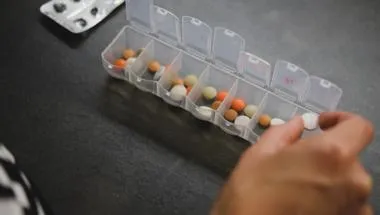
The Medicines Development Research Group develops novel materials, formulations, drug delivery devices, manufacturing, analytical, and digital technologies.
The National Programme on Substance Use Mortality (NPSUM)
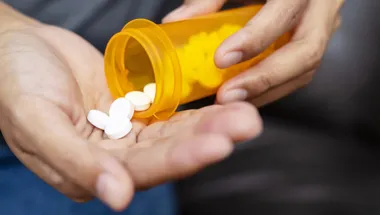
The NPSUM enables analysis of trends in deaths due to illicit substances or licensed medications to inform harm reduction strategy and increase patient safety.
Project status: Ongoing

School of Cancer & Pharmaceutical Sciences: People and Culture
The School of Cancer and Pharmaceutical Science People and Culture committee is committed to fostering an equitable, diverse, and inclusive research and education environment, where everyone can thrive. We strive to support and empower members of our community, by promoting accessibility, representation, and a culture of belonging. Through advocacy, education, and meaningful action, we aim to remove barriers, address systemic inequities, and create opportunities for our whole community to contribute and succeed
News
Study of coroners' reports highlights safety concerns linked to fentanyl patch deaths
Researchers at King’s College London have analysed coroners’ reports from across England, Wales and Northern Ireland to identify safety concerns linked to...

UK's growing synthetic opioid problem: Nitazene deaths could be underestimated by a third
Deaths due to synthetic opioids nitazenes have likely been underestimated by up to a third.

UK drug policy shows limited impact on novel psychoactive substances
UK drug legislation has had limited impact on the availability of novel psychoactive substances (NPS), with international regulations playing a far greater...

Prescription drug monitoring needed after weight loss surgery
People who have had weight loss surgery may need closer monitoring of their prescription medication to avoid risk of harm, researchers at King’s College...

Ketamine deaths increase twenty-fold since 2014 with mixing drugs on the rise
Deaths due to illicit ketamine use have increased twenty-fold since 2014 – but these deaths are increasingly occurring in complex polydrug settings, raising...

Opioid-related deaths in past decade 55% higher than recorded
Opioid-related deaths from 2011 to 2022 are 54.7% higher than recorded, according to new research by King’s. Analysis by researchers puts the estimated number...

43% of drug-caused deaths in healthcare workers used hospital-only drugs
Nearly half of drug-caused deaths by healthcare workers involved drugs that were obtained from their place of work, new research finds.
Xylazine has infiltrated the UK's illicit drug market
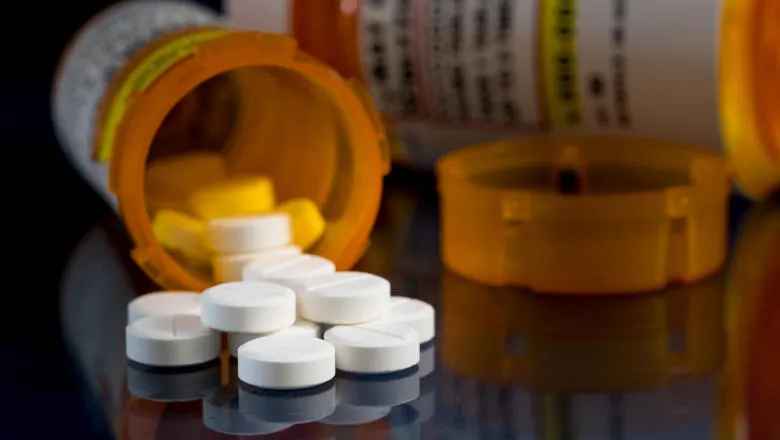
Xylazine, a powerful animal tranquiliser linked to horrific side effects, is now widespread in the UK illicit drug market.
Drones delivering opioid overdose reversal kits could reach people more quickly than ambulances
Delivering opioid overdose reversal kits by drone could help stem the drug-related death crisis faced by the UK.

First death in the UK associated with Xylazine
The death of a 43-year-old male is the first in the UK to be associated with Xylazine and marks the entry of the drug into the UK drug supply.

Features
Humanising Healthcare podcast - "‘Synthetic opioids claiming lives"
Manasi is joined by Dr Caroline Copeland, Senior Lecturer in Pharmacology & Toxicology and Dr Nicola Kalk, Visiting Clinical Lecturer.

5 minutes with...Caroline Copeland
Caroline Copeland is a Lecturer in Pharmaceutical Medicine in the School of Cancer & Pharmaceutical Sciences. We took 5 minutes with Caroline to learn more...

Research
Medicines Development
The Medicines Development Research Group develops novel materials, formulations, drug delivery devices, manufacturing, analytical, and digital technologies.
The National Programme on Substance Use Mortality (NPSUM)
The NPSUM enables analysis of trends in deaths due to illicit substances or licensed medications to inform harm reduction strategy and increase patient safety.
Project status: Ongoing
School of Cancer & Pharmaceutical Sciences: People and Culture
The School of Cancer and Pharmaceutical Science People and Culture committee is committed to fostering an equitable, diverse, and inclusive research and education environment, where everyone can thrive. We strive to support and empower members of our community, by promoting accessibility, representation, and a culture of belonging. Through advocacy, education, and meaningful action, we aim to remove barriers, address systemic inequities, and create opportunities for our whole community to contribute and succeed
News
Study of coroners' reports highlights safety concerns linked to fentanyl patch deaths
Researchers at King’s College London have analysed coroners’ reports from across England, Wales and Northern Ireland to identify safety concerns linked to...
UK's growing synthetic opioid problem: Nitazene deaths could be underestimated by a third
Deaths due to synthetic opioids nitazenes have likely been underestimated by up to a third.
UK drug policy shows limited impact on novel psychoactive substances
UK drug legislation has had limited impact on the availability of novel psychoactive substances (NPS), with international regulations playing a far greater...
Prescription drug monitoring needed after weight loss surgery
People who have had weight loss surgery may need closer monitoring of their prescription medication to avoid risk of harm, researchers at King’s College...
Ketamine deaths increase twenty-fold since 2014 with mixing drugs on the rise
Deaths due to illicit ketamine use have increased twenty-fold since 2014 – but these deaths are increasingly occurring in complex polydrug settings, raising...
Opioid-related deaths in past decade 55% higher than recorded
Opioid-related deaths from 2011 to 2022 are 54.7% higher than recorded, according to new research by King’s. Analysis by researchers puts the estimated number...
43% of drug-caused deaths in healthcare workers used hospital-only drugs
Nearly half of drug-caused deaths by healthcare workers involved drugs that were obtained from their place of work, new research finds.
Xylazine has infiltrated the UK's illicit drug market
Xylazine, a powerful animal tranquiliser linked to horrific side effects, is now widespread in the UK illicit drug market.
Drones delivering opioid overdose reversal kits could reach people more quickly than ambulances
Delivering opioid overdose reversal kits by drone could help stem the drug-related death crisis faced by the UK.
First death in the UK associated with Xylazine
The death of a 43-year-old male is the first in the UK to be associated with Xylazine and marks the entry of the drug into the UK drug supply.
Features
Humanising Healthcare podcast - "‘Synthetic opioids claiming lives"
Manasi is joined by Dr Caroline Copeland, Senior Lecturer in Pharmacology & Toxicology and Dr Nicola Kalk, Visiting Clinical Lecturer.
5 minutes with...Caroline Copeland
Caroline Copeland is a Lecturer in Pharmaceutical Medicine in the School of Cancer & Pharmaceutical Sciences. We took 5 minutes with Caroline to learn more...