

King's Impact Priorities
Responding to urgent global challenges to deliver positive change
At King’s, we define impact as the demonstrable contribution that excellent research makes to society and the economy, or benefit to individuals, organisations and nations. This occurs in many ways – through creating and sharing new knowledge and innovation; inventing ground-breaking new products, companies and jobs; developing new and improving existing public services and policy; enhancing quality of life and health; and many more. Our research stimulates creative possibilities by exploring our understanding of identity, cultures and society. In doing so, we help local, national and international communities lead healthier and happier lives and make the planet safer, fairer, and cleaner by influencing policy and practice.

Responding to urgent global challenges to deliver positive change

Find out more about KEF at King's

Mobilising King’s research and expertise to respond to the climate crisis.

Find out more about the economic impact of King's research

Enhancing the quality, relevance, and impact of King’s research to society.

Collaborating for economic and social impact.

How the arts and humanities can answer society’s big questions

Addressing business and societal challenges

Scientific and clinical research, advancing treatments and therapies

Exploring the role of law in solving today’s global problems

Translating scientific insights to interventions, to benefit patients
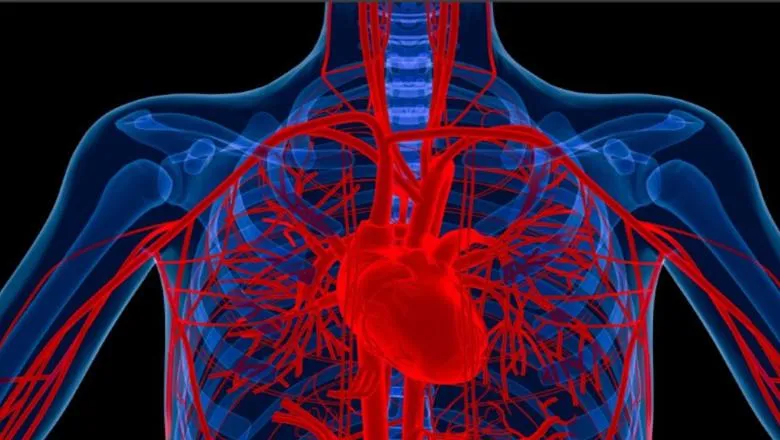
Translation and adoption of research innovation into clinical practice

Understanding our universe at all scales to change it for the better

Applied clinical and health research, improving patient outcomes and care

Advancing scholarship on social, ethical and political issues of our time

Over the past decade, King’s researchers have navigated the delicate but...

Cigarettes kill over half of their long-term users. The World Health...

October 2022 marks the 10th anniversary of Julia Gillard’s famous speech...
The origin, or 'provenance' of data is important to gaining trust in...