

Biography
Dr Karl Lawrence is a Lecturer in the Institute of Pharmaceutical Science at King’s College London. His research focuses on understanding how light interacts with human biology in health and disease, translating these insights into new approaches for prevention, diagnosis and treatment.
His work spans photobiology, dermatology and bioengineering, with particular interests in UV and visible-light responses, photoprotection, photobiomodulation and light-based therapeutics. His expertise includes human experimental research, ex vivo human tissue culture and advanced skin models, enabling biological mechanisms to be studied across complementary experimental systems.
Dr Lawrence trained at St John’s Institute of Dermatology at King’s College London, where his industry-funded PhD, conducted in collaboration with BASF, investigated the effects of ultraviolet and visible radiation on human skin and the development of new approaches to photoprotection. He subsequently worked at Queen Mary University of London, where he contributed to the development of an advanced ex vivo human skin culture platform, before joining QMUL spin-out company Keratify as Chief Scientific Officer to develop this system further & working closely with industry.
He later returned to King’s as a Research Fellow, leading translational research in skin sampling, biomarker analysis and medical-device development. This work contributed to the development of a novel non-invasive skin sampling methodology and the formation of Epinostics, a King’s College London spin-out company, where Karl is Clinical Director. Epinostics is focused on enabling molecular profiling of dermal interstitial fluid for research and clinical applications. Karl subsequently gained his current position as Lecturer in the Institute of Pharmaceutical Science.
A central theme of Karl’s research is translation: connecting mechanistic biology with human studies, new technologies and clinical application. His work has contributed to patented technologies, device development and commercialisation, and he has experience spanning academic research, industry and spin-out companies.
News
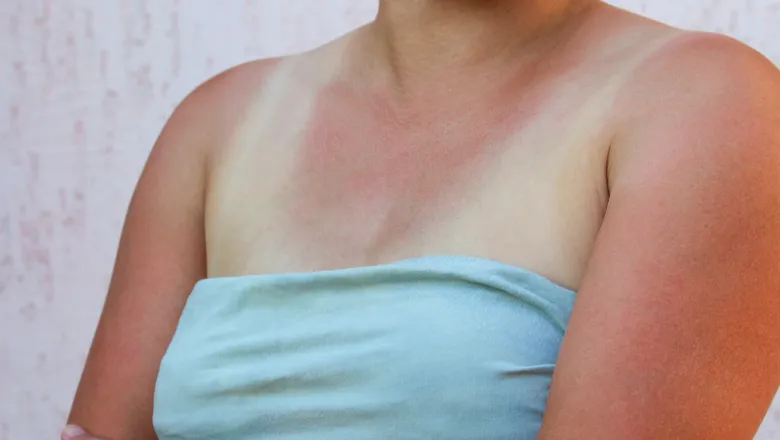
COMMENT: TikTok 'sunburning' hack won't heal your acne – but it may put you at risk of skin cancer
Social media is full of questionable advice. But one of the latest skincare hacks some users are sharing online is seriously worrying.
Course Teacher: Global Medicines Development MSc
- Clinical Trial Management
- Advanced therapies
News
COMMENT: TikTok 'sunburning' hack won't heal your acne – but it may put you at risk of skin cancer
Social media is full of questionable advice. But one of the latest skincare hacks some users are sharing online is seriously worrying.
Course Teacher: Global Medicines Development MSc
- Clinical Trial Management
- Advanced therapies