
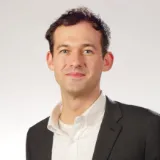
Professor Alan Ramsay
Professor of Cancer Immunology
Research interests
- Cancer
- Immunology
Biography
Alan G. Ramsay is Professor of Cancer Immunology, leading the Lymphoma Immunology research group within the Comprehensive Cancer Centre at King’s College London. He studied Zoology at Glasgow and Molecular Microbiology at Nottingham, completing his PhD in Molecular and Cell Biology at Aberdeen following a research placement in Lausanne, Switzerland.
His Cancer Research UK postdoctoral training at Barts Cancer Institute linked integrin trafficking to carcinoma migration and invasion. He subsequently pioneered research revealing how blood cancers disrupt immune synapses, the specialised contacts through which immune cells recognise and attack tumour cells, and demonstrated how immunomodulatory drugs can restore their function.
Since joining King’s, his group has uncovered how cancer reprogrammes lymph node fibroblasts to create immunosuppressive tumour microenvironments. His research in blood and lung cancers focuses on understanding and overcoming immune evasion, translating laboratory discoveries into clinical trials and developing more effective cancer immunotherapies.
Research

Alan Ramsay Lab: Lymphoma Immunology
The Alan Ramsay Lab: Lymphoma Immunology research group is led by Professor Alan G. Ramsay, Professor of Cancer Immunology at King's College London.

Immunometabolism (iMet) Research Interest Group (RIG)
The aim of the i-met research interest group is to stimulate novel collaborations in the field of Immunometabolism, a young but rapidly growing field of research.
News
Drug mechanism opens door for new anti-cancer immunotherapies
Researchers have revealed a new mechanism of targeted drug treatment used against chronic lymphocytic leukaemia, through the promotion of immune cell...
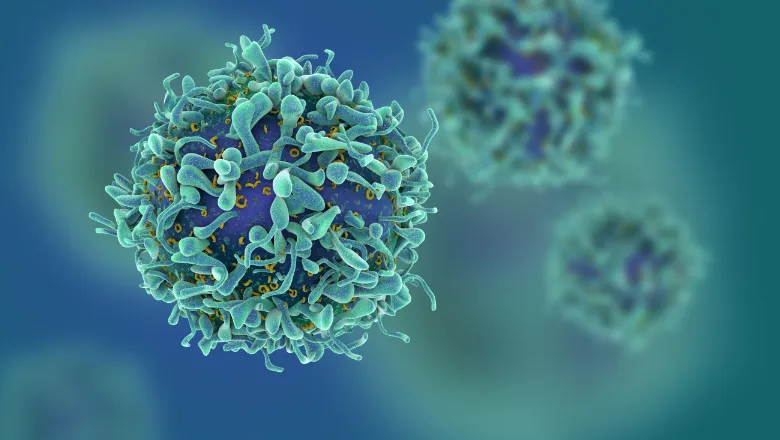
Targeting the tumour environment could improve immunotherapy responses for lymphoma patients, study reveals
Researchers have shown how the cancer lymphoma reprogrammes cells key to our immune responses, leading them to shift to immunosuppressive activity

Researchers identify a combination therapy approach to help cold tumours respond to immunotherapy
The discovery marks an important step for patients with chronic lymphocytic leukemia.

Events

Inaugural Lectures: Professors Andrea Billè & Alan Ramsay
Inspiring talks from two of our new professors about their work, their specialisations, and their journeys to where they are today.
Please note: this event has passed.
Research
Alan Ramsay Lab: Lymphoma Immunology
The Alan Ramsay Lab: Lymphoma Immunology research group is led by Professor Alan G. Ramsay, Professor of Cancer Immunology at King's College London.
Immunometabolism (iMet) Research Interest Group (RIG)
The aim of the i-met research interest group is to stimulate novel collaborations in the field of Immunometabolism, a young but rapidly growing field of research.
News
Drug mechanism opens door for new anti-cancer immunotherapies
Researchers have revealed a new mechanism of targeted drug treatment used against chronic lymphocytic leukaemia, through the promotion of immune cell...
Targeting the tumour environment could improve immunotherapy responses for lymphoma patients, study reveals
Researchers have shown how the cancer lymphoma reprogrammes cells key to our immune responses, leading them to shift to immunosuppressive activity
Researchers identify a combination therapy approach to help cold tumours respond to immunotherapy
The discovery marks an important step for patients with chronic lymphocytic leukemia.
Events
Inaugural Lectures: Professors Andrea Billè & Alan Ramsay
Inspiring talks from two of our new professors about their work, their specialisations, and their journeys to where they are today.
Please note: this event has passed.