

Dr Liming Li
Research Fellow
- Research Fellow of Quantitative Social Science and Health
Research interests
- Ageing
- Child & Family
- Mental Health
- Policy
Contact details
Biography
Dr Liming Li is a Research Fellow of Quantitative Social Science and Health at the Department of Global Health & Social Medicine. Liming studied Sociology and obtained a PhD from the University of Cambridge.
Research
- Education
- Employment
- Family and child development
- Ageing and mental health
- Social policy
Liming's research aims to understand how social policies contribute to inequalities of health and wellbeing, mainly through the lens of education, employment, family dynamics and analyses of large-scale quantitative datasets.
Liming has worked as a Principal Investigator on two projects. One project focuses on the impact of higher education expansion policy on women’s employment (funded by The British Academy). Another project evaluates state-funded adoption support programmes in promoting the mental health of children from adoptive families (funded by What Works for Early Intervention and Children’s Social Care).
As a Research Associate, Liming was involved in an ESRC-funded programme 'Work, welfare reform and mental health' and an EU-funded project 'MINDMAP: promoting mental wellbeing in the ageing urban population in European cities'.
Teaching
Liming has experience convening quantitative research methods modules. She also supervises undergraduate and postgraduate dissertations.
Undergraduate
- 7SSHM504 Quantitative Data Analysis
Postgraduate
- 7SSHM504 Quantitative Data Analysis
Further details
Research
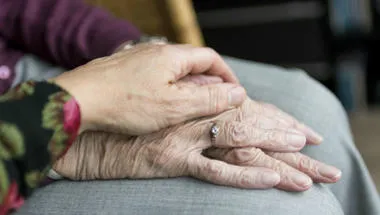
Mindmap: Promoting mental wellbeing in the ageing urban population
Identifying the opportunities offered by the urban environment for the promotion of mental wellbeing and cognitive function of older individuals in Europe.
Project status: Ongoing

Reproduction Research Group
Our interdisciplinary group examines the complex social, cultural, and political dimensions of reproduction.

Health Inequalities, Ageing and Life Course research group
Examining how inequalities in health and wellbeing emerge, persist, and transform.
News
England's anti-loneliness programme has no impact on loneliness, isolation, or depression amongst older people
As we head towards Christmas, a recent study shows campaign to tackle loneliness in the over-65s hasn't worked
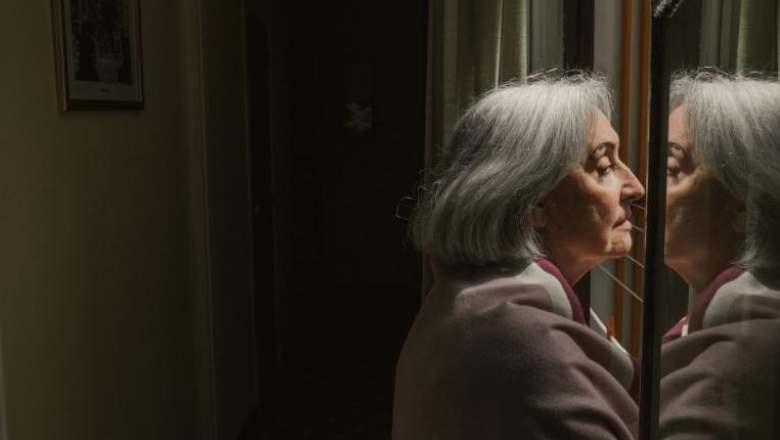
Children's mental health worsens after mothers forced to seek employment
A welfare-to-work reform has increased employment rates for lone mothers but at a cost to her and her children’s mental health, new research shows.

Research
Mindmap: Promoting mental wellbeing in the ageing urban population
Identifying the opportunities offered by the urban environment for the promotion of mental wellbeing and cognitive function of older individuals in Europe.
Project status: Ongoing
Reproduction Research Group
Our interdisciplinary group examines the complex social, cultural, and political dimensions of reproduction.
Health Inequalities, Ageing and Life Course research group
Examining how inequalities in health and wellbeing emerge, persist, and transform.
News
England's anti-loneliness programme has no impact on loneliness, isolation, or depression amongst older people
As we head towards Christmas, a recent study shows campaign to tackle loneliness in the over-65s hasn't worked
Children's mental health worsens after mothers forced to seek employment
A welfare-to-work reform has increased employment rates for lone mothers but at a cost to her and her children’s mental health, new research shows.