

Professor Michael Chadwick
Head, Department of Geography
- Professor of Ecology and Environmental Science
Research interests
- Geography
Biography
Professor Michael Chadwick is an environmental scientist interested in exploring both applied and basic ecological questions. His work focuses on understanding how ecosystem structure and function, specifically related to aquatic systems, respond to changes in environmental conditions.
He earned a BSc in Environmental Science at Cook College, Rutgers University. While at Rutgers University, he was employed by the United States Environmental Protection Agency to monitor streams, lakes, and estuaries in the Northeastern United States.
He has an MS in Zoology (Auburn University) and a PhD in Ecology and Environmental Science (University of Maine). He has also worked as a postdoctoral researcher at the University of Alabama and the University of Plymouth.
Research
- Environmental science for sustainable management
- Effects of natural and human-induced stress on aquatic ecosystems
- Implications of environmental changes on the ecosystem structure and function
Michael's research interests span large spatial scales in varied aquatic systems. This includes work on large tidally-influenced rivers to intermittent streams. Most of the studies are in collaboration with a range of people and have a focus on both the biotic and abiotic factors that vary across space and time.
Current projects focus on several topics such as London’s urban rivers, invasive species, and aquatic community structure. In each of these studies, he evaluates the interplay between a range of biotic factors and abiotic factors. He is also interested in advancing water quality monitoring, particularly with the use of low-cost sensors.
Teaching
Undergraduate
- 5SSG2062 BSc Research Tutorials
- 5SSG2046 Fieldwork in Physical Geography
Postgraduate
- 7SSG5172 Environmental Field and Lab Techniques for Sustainability
- 7SSG5223 Environmental Science for Sustainability
PhD supervision
Michael is interested in receiving enquiries from potential PhD students on:
- Environmental Science of tidally-influenced and intermittent aquatic systems
- Large river ecology
- Spatial arrangement of habitats and reaches in aquatic ecosystems
- Catchment-scale drivers of ecosystem function
- Environmental quality of aquatic systems
Further details
Research
Physical Geography and Environmental Science research group
Enhancing understanding of processes, drivers and impacts in water, land, atmosphere and ecosystems to address environmental and societal challenges.

King's Water Centre
Researching water, environment and development. Our centre spans the humanities, social, and physical sciences to explore the challenges of water governance from global to local scales.
Earth Observation and Environmental Sensing Hub
The Earth Observation and Environmental Sensing (EOES) Hub is an interdisciplinary research group at the Department of Geography, King’s College London.
Centre for Non-Equilibrium Science (CNES)
CNES acts as an international hub for cross-disciplinary research in non-equilibrium science.
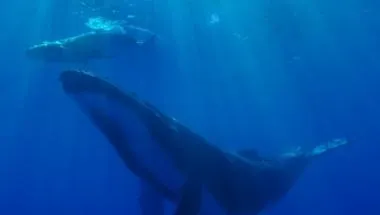
Humpback whales of the Pitcairn Islands
This project aims to improve our understanding of the population’s status of humpback whales and enhance regional conservation efforts.
Project status: Ongoing
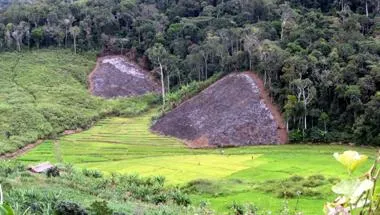
Political Ecology, Biodiversity & Ecosystem Services
The Political Ecology, Biodiversity & Ecosystem Services (PEBES) group provides a collaborative focus for work on the social (re)production of nature, environmental conservation and resource management.
News
New Sensors Capture Warning Signs Before Fish Deaths in Lake Victoria
New sensors deployed in Lake Victoria recorded oxygen levels collapsing before fish deaths were reported, demonstrating the potential for earlier warning of...

King's and Kenyan Students Join Forces to Tackle Lake Victoria's Sustainability Challenges
New international field course brings together students, researchers and communities to address real-world environmental challenges.

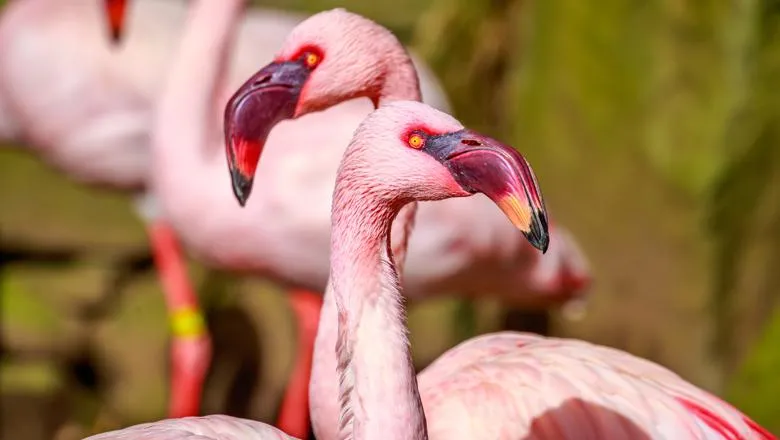
Flamingos threatened by rising African lake levels
Increased rainfall is diluting saltwater habitats, leading to a decline in birds’ phytoplankton prey
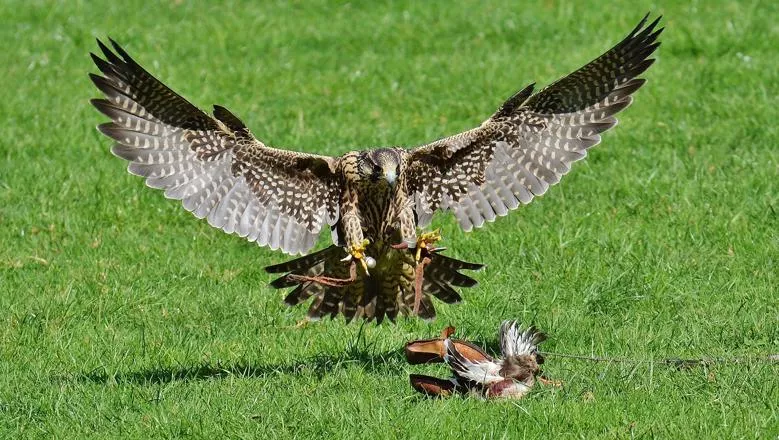
London falcons ate fewer pigeons during lockdowns
The study by King’s researchers suggests that predatory birds in urban spaces are vulnerable to changes in human activities that support prey populations.
News tracker: COP27 expert commentary and updates
All the latest from across King's relating to COP27, climate, sustainability and more.

World first as Earth's ecosystems classified in global study
The entire planet’s ecosystems have been classified for the first time ever as part of a cross-disciplinary global study with input from an environmental...
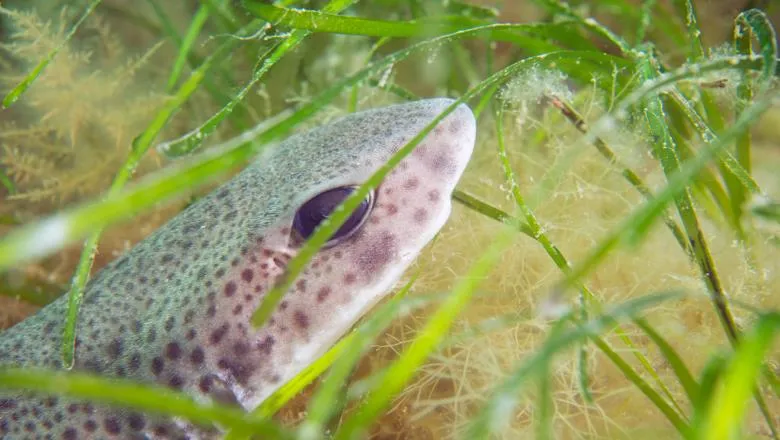
Seagrass loss around the UK is extensive and worrying, say scientists
A new study indicates that seagrass meadows around the UK may have declined by as much as 92 percent.
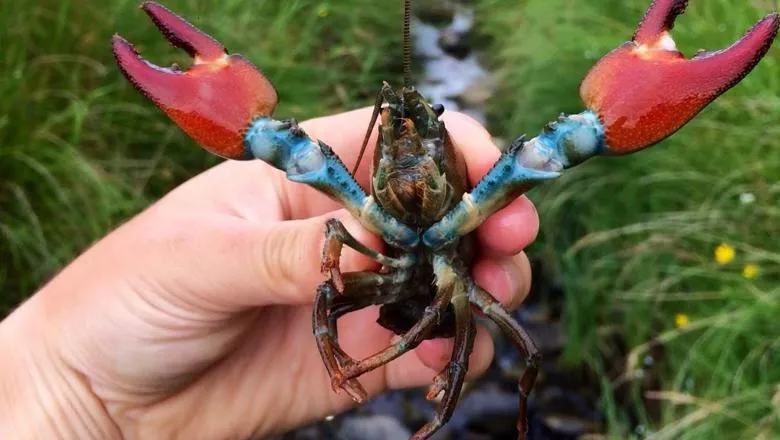
Popular method of 'trapping' invasive species fails to deliver intended results
Crayfish ‘trapping’ has been promoted by celebrity chefs and conservation charities alike, but it is not helping to control the invasive American signal...
Features
A turning point for UK rivers?
Many UK rivers are at threat from poorly performing water companies. Ahead of next week's general election, PROFESSOR MICHAEL CHADWICK and PROFESSOR ROBERT...

Seagrass meadows shrank by 92% in UK waters - restoring them could absorb carbon emissions and boost fish
The species-rich maerl and horse mussel beds have vanished and now, in new research, we’ve uncovered the decline of another jewel in the UK’s marine...

Research
Physical Geography and Environmental Science research group
Enhancing understanding of processes, drivers and impacts in water, land, atmosphere and ecosystems to address environmental and societal challenges.
King's Water Centre
Researching water, environment and development. Our centre spans the humanities, social, and physical sciences to explore the challenges of water governance from global to local scales.
Earth Observation and Environmental Sensing Hub
The Earth Observation and Environmental Sensing (EOES) Hub is an interdisciplinary research group at the Department of Geography, King’s College London.
Centre for Non-Equilibrium Science (CNES)
CNES acts as an international hub for cross-disciplinary research in non-equilibrium science.
Humpback whales of the Pitcairn Islands
This project aims to improve our understanding of the population’s status of humpback whales and enhance regional conservation efforts.
Project status: Ongoing
Political Ecology, Biodiversity & Ecosystem Services
The Political Ecology, Biodiversity & Ecosystem Services (PEBES) group provides a collaborative focus for work on the social (re)production of nature, environmental conservation and resource management.
News
New Sensors Capture Warning Signs Before Fish Deaths in Lake Victoria
New sensors deployed in Lake Victoria recorded oxygen levels collapsing before fish deaths were reported, demonstrating the potential for earlier warning of...
King's and Kenyan Students Join Forces to Tackle Lake Victoria's Sustainability Challenges
New international field course brings together students, researchers and communities to address real-world environmental challenges.
Flamingos threatened by rising African lake levels
Increased rainfall is diluting saltwater habitats, leading to a decline in birds’ phytoplankton prey
London falcons ate fewer pigeons during lockdowns
The study by King’s researchers suggests that predatory birds in urban spaces are vulnerable to changes in human activities that support prey populations.
News tracker: COP27 expert commentary and updates
All the latest from across King's relating to COP27, climate, sustainability and more.
World first as Earth's ecosystems classified in global study
The entire planet’s ecosystems have been classified for the first time ever as part of a cross-disciplinary global study with input from an environmental...
Seagrass loss around the UK is extensive and worrying, say scientists
A new study indicates that seagrass meadows around the UK may have declined by as much as 92 percent.
Popular method of 'trapping' invasive species fails to deliver intended results
Crayfish ‘trapping’ has been promoted by celebrity chefs and conservation charities alike, but it is not helping to control the invasive American signal...
Features
A turning point for UK rivers?
Many UK rivers are at threat from poorly performing water companies. Ahead of next week's general election, PROFESSOR MICHAEL CHADWICK and PROFESSOR ROBERT...
Seagrass meadows shrank by 92% in UK waters - restoring them could absorb carbon emissions and boost fish
The species-rich maerl and horse mussel beds have vanished and now, in new research, we’ve uncovered the decline of another jewel in the UK’s marine...