

Dr Sara Campinoti
Senior Postdoctoral Fellow
Biography
I obtained my PhD in Stem Cell and Regenerative Medicine at University College London in 2020. I then joined the group of Dr Luca Urbani at the Roger Williams Institute of Liver Studies, to pursue my interest in combining tissue engineering technologies with cell biology and immunology. As a postdoctoral researcher, I worked on developing in vitro models to study the crosstalk between liver cells, immune cells, and the Extracellular Matrix (ECM) in chronic liver disease.
In June 2022, I was awarded a Wellcome Trust Early Career Award. I began working on the proposed project in March 2023 in the laboratory of Dr Luca Urbani, in collaboration with Professor Elisa Laurenti at the Wellcome-MRC Cambridge Stem Cell Institute. This project aims to deconstruct and reconstruct the human foetal liver haematopoietic stem cell niche to understand the minimal cellular and extracellular components essential for haematopoietic stem cell homeostasis and self-renewal.
Research
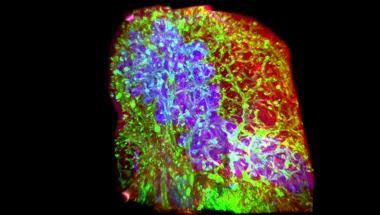
From Developmental Biology to Regenerative Medicine
Understanding organ development and tissue regeneration provides a framework for elucidating disease mechanisms as well as for developing new therapeutics.
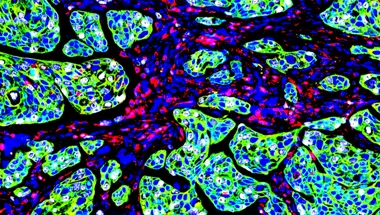
Spatial Biology Network
The Spatial Biology Network is a cross-faculty research interest group that brings together researchers from various disciplines, ranging from technology development and molecular biology, to bioinformatics and clinical translational research, to explore the complexity of spatial biology.

Organoids Research Interest Group (ORIG)
Organoids are 3D, miniature versions of organs grown from stem cells. They replicate organ structure and function, making them essential for studying tissue homeostasis, disease mechanisms, and developing new therapies. This research interest group encompasses all organoid-related research at King’s College London.
News
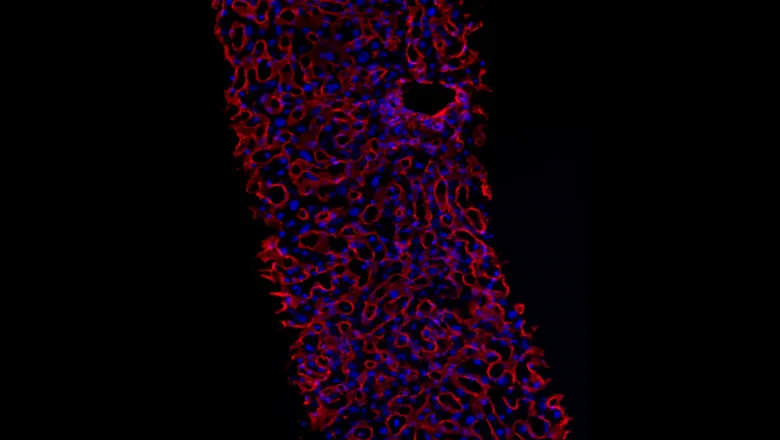
Drug reshapes tissue architecture to reduce damage in alcohol-related liver disease
A new study has shed light on how a type of drug works to reduce liver damage in alcohol-related liver disease, by reshaping the architecture of the tissue....
Research
From Developmental Biology to Regenerative Medicine
Understanding organ development and tissue regeneration provides a framework for elucidating disease mechanisms as well as for developing new therapeutics.
Spatial Biology Network
The Spatial Biology Network is a cross-faculty research interest group that brings together researchers from various disciplines, ranging from technology development and molecular biology, to bioinformatics and clinical translational research, to explore the complexity of spatial biology.
Organoids Research Interest Group (ORIG)
Organoids are 3D, miniature versions of organs grown from stem cells. They replicate organ structure and function, making them essential for studying tissue homeostasis, disease mechanisms, and developing new therapies. This research interest group encompasses all organoid-related research at King’s College London.
News
Drug reshapes tissue architecture to reduce damage in alcohol-related liver disease
A new study has shed light on how a type of drug works to reduce liver damage in alcohol-related liver disease, by reshaping the architecture of the tissue....