

Laboratory Efficiency Assessment Framework
A toolkit to help make research laboratories more sustainable.
University research laboratories are energy and material intensive, consuming up to 10 times more energy than standard office spaces. They also generates large volumes of of distilled water and significant quantity single-use plastic waste every year.
King’s manages a substantial network of research laboratories across our campuses, covering more than 35,000 sqm and containing 7,000 metres of ventilated lab benches. Within these laboratories, staff are implementing carbon reduction initiatives that support achieve our climate and sustainability ambitions.
In 2025, all King’s wet labs achieved LEAF Bronze status, making King’s one of the first universities in the UK to achieve this level of accreditation across the University. They are continuing their work in this area with a view to achieving gold across all labs by 2030.
The Sustainable Research Team supports King’s researchers in strengthening green credentials through lab accreditation, sustainable research networks, and alignment with grant requirements and the University’s net zero targets. With wet labs in steady progress, the next challenge focuses on engaging computationally intensive laboratories through GreenDisc and developing workshops on efficient use of High-Performance Computers and data storage.

“Embed sustainability as a core component of research excellence, ensuring research infrastructure, behaviour and funding compliance are fully aligned with the Concordat for the Environmental Sustainability of Research and Innovation Practice.”
In December 2024, King's signed the UKRI’s Concordat for the Environmental Sustainability of Research and Innovation Practice, which aims to have visible and credible leadership for environmental sustainability, ensure research and innovation is carried out in an environmentally sustainable way, and promote shifts to climate conscious ways of working.
Spotlight on sustainable researchKing's commits to sustainable research and innovation agreement
A toolkit to help make research laboratories more sustainable.
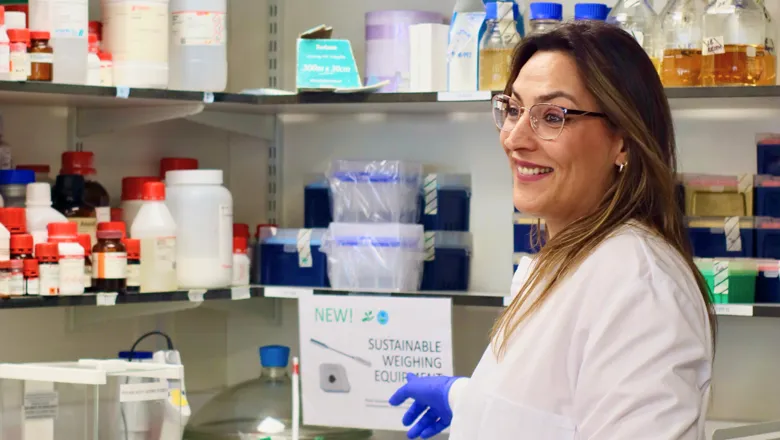
We are planning a My Green Lab Certification Trial to compare the results...

Green DiSC is is a sustainability programme run by the Software...
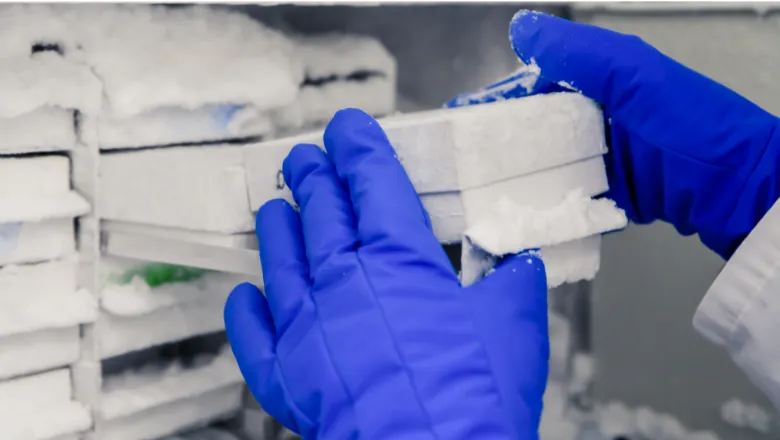
The Freezer Challenge is an annual competition designed to promote best...
In 2025, four ambitious projects were awarded funding through the Sustainable research project grant, seeking to address key sustainability challenges within the research process. From reducing waste to changing practices through bringing in new technologies, these projects are a key step in embedding sustainability into our research process.
Sustainable research project grant winners
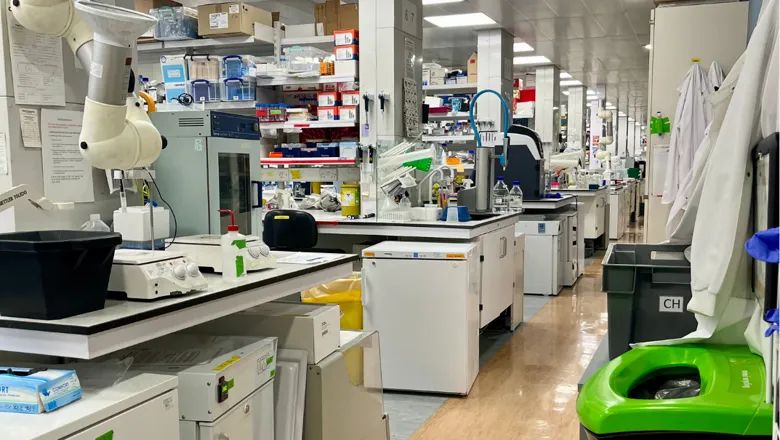
Researchers at the Centre for Developmental Neurobiology are unpicking...
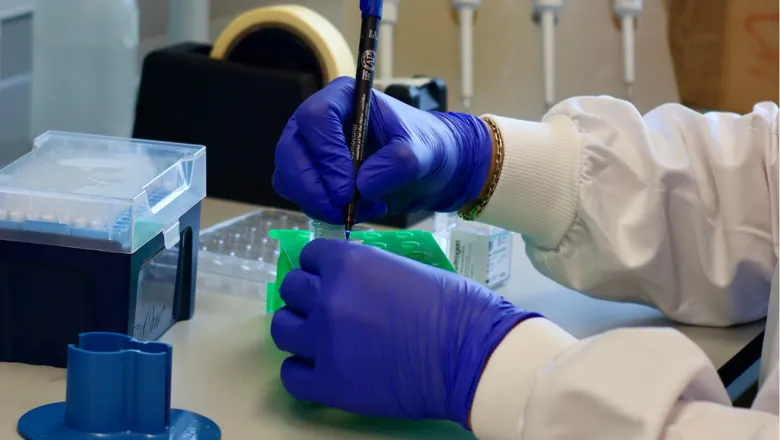
Gene therapy and regenerative medicine is an exciting area of science,...
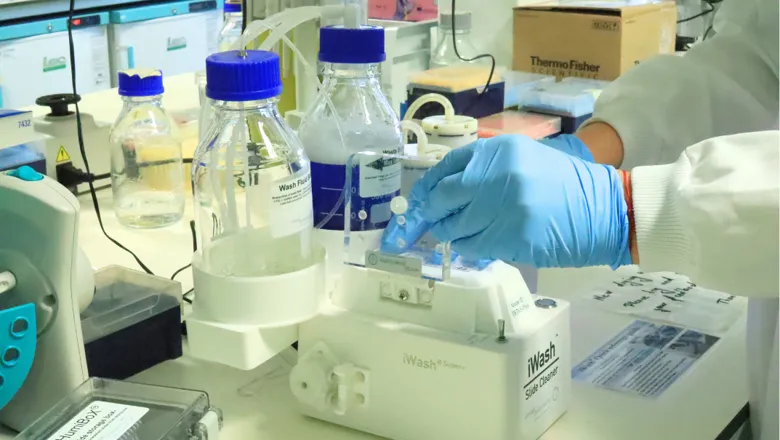
The Innovation Hub at Guy’s Cancer Centre has achieved Gold LEAF status...
Through taking part in the Freezer Challenge the labs in the School of...
Our research departments are reliant on energy-hungry cold storage units to store samples and reagents. To address this, we are comprehensively mapping cold storage across the estate, and swapping out legacy Ultra Low Temperature freezers with energy-efficient alternatives to secure our samples whilst minimising environmental harm. Since our 2-for-1 exchange scheme began, we have removed 144 legacy units and freed up approximately 72m2 laboratory space. We are also encouraging all our departments to engage with My Green Lab’s international freezer challenge competition. In 2026, we improved participation by 266% resulting in King's placing 4th globally. and two of our departments winning outright within their categories.
The hidden environmental cost of cold storage in laboratoriesKing's laboratory wins for most energy savings in international challenge

Empowering our students to shape a more sustainable future.

Mobilising King’s research and expertise to respond to the climate crisis.

Building sustainability into King’s actions and operations.

Learn more about how you can join in with King's sustainability activities.