

Biography
Carlotta Valensin is the research study manager of the INSIGHT-2 pregnancy and early-childhood cohort study within the Department of Women and Children’s Health at King’s. She is also coordinator of the PISA study, funded by the Leona M. and Harry B. Helmsley Charitable Trust and co-lead by Prof. Rachel Tribe and Prof. Deena Gibbons, to investigate prenatal drivers of infant Islet autoimmunity.
Carlotta holds an MSc in biomedical engineering from Imperial College London and brings prior experience from the molecular diagnostics industry, where she developed strong expertise in project coordination and data management. In her current role, she oversees cohort recruitment and data/sample collection, including coordinating sample applications for external collaborations. She is responsible for implementing and maintaining systems for study operations, data collection, governance, and analysis to ensure the successful delivery of research activities. As part of her role, she additionally obtained registration as a Clinical Research Practitioner.
In 2025, Carlotta was awarded the Wellbeing of Women Entry Level Scholarship to conduct a one-year pilot study investigating epigenetic markers in placentas from participants with type 1 diabetes within the cohort. In 2026, she contributed to securing King’s Creative Catalyst Seed funding to develop creative interventions aimed at supporting individuals entering pregnancy after loss or preterm birth.
Research

Gibbons Group
Every year, 15 million babies are born prematurely and 1 million die as a consequence. My lab focuses on understanding immune cell development and function in human neonates, including both those born at term and prematurely. We have identified novel T cell effector functions in neonates and factors that affect immune cell development post birth. We have ongoing research in both areas. These studies will promote our understanding of the developing immune system in human infants to identify those more at risk from inflammation and infection and subsequently reduce infant mortality - a current NHS target and huge health burden.

INSIGHT-2
Mechanistic Studies into Pregnancy Complications and their Impact on Maternal and Child Health

Tribe Lab
Through our mother-child cohorts, our goal is to improve outcomes for pregnant women and their children and promote health throughout the life course.
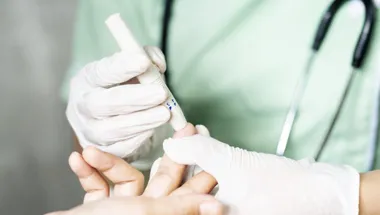
PISA: Prenatal drivers of infant ISlet Autoimmunity
The PISA study will test the idea that different exposures in pregnancy may influence fetal development to increase the risk of childhood autoimmunity.
Project status: Ongoing

Transposons and pregnancy complications
Ancient transposon sequences have the potential to regulate gene expression. This process is prominent in the placenta. The Frost Lab seeks to explore the regulation and function of transposons in the human placenta,.
Research
Gibbons Group
Every year, 15 million babies are born prematurely and 1 million die as a consequence. My lab focuses on understanding immune cell development and function in human neonates, including both those born at term and prematurely. We have identified novel T cell effector functions in neonates and factors that affect immune cell development post birth. We have ongoing research in both areas. These studies will promote our understanding of the developing immune system in human infants to identify those more at risk from inflammation and infection and subsequently reduce infant mortality - a current NHS target and huge health burden.
INSIGHT-2
Mechanistic Studies into Pregnancy Complications and their Impact on Maternal and Child Health
Tribe Lab
Through our mother-child cohorts, our goal is to improve outcomes for pregnant women and their children and promote health throughout the life course.
PISA: Prenatal drivers of infant ISlet Autoimmunity
The PISA study will test the idea that different exposures in pregnancy may influence fetal development to increase the risk of childhood autoimmunity.
Project status: Ongoing
Transposons and pregnancy complications
Ancient transposon sequences have the potential to regulate gene expression. This process is prominent in the placenta. The Frost Lab seeks to explore the regulation and function of transposons in the human placenta,.