
The London Metallomics Facility (LMF) is a specialist core facility at King’s College London providing advanced analysis of metals in biological and environmental samples, helping researchers and partners uncover how metals shape health, disease and the environment. We offer an end-to-end staff-delivered service, from experimental design and sample preparation to measurement, data analysis and interpretation, making it easier to turn complex questions into high-quality, publication-ready results.
Using state-of-the-art instrumentation, including ICP-MS and laser ablation ICP-MS, the LMF provides both bulk elemental quantification and spatial imaging through analyses performed by specialist facility staff. This allows researchers to understand not only how much of a metal is present, but also where it is located within the samples. We work across biomedical, environmental and materials research, offering tailored approaches for academic, clinical and commercial projects.
By combining specialist expertise with powerful analytical platforms, the LMF enables discovery at the interface of chemistry, biology and medicine. Whether supporting a single study or a long-term collaboration, we help users generate robust data, gain deeper insight and move their research further, faster.
The London Metallomics Facility offers a range of specialist analytical capabilities for quantifying and imaging metals across biological, environmental and material samples. Supported by advanced instrumentation, dedicated sample preparation infrastructure including a metal-free clean room, and expert staff input, these services are delivered by LMF staff and provide end-to-end support from experimental design through to data processing and post-analysis interpretation.

Bulk solution ICP-MS analysis
High-sensitivity quantitative elemental analysis of solution samples using ICP-MS.

Imaging LA-ICP-MS
Spatially resolved elemental imaging of solid samples using laser ablation ICP-MS.

Laser ablation single-cell ICP-MS
Single-cell elemental analysis using laser ablation ICP-MS for spatially targeted measurements.

Solution single-cell ICP-MS
High-throughput elemental analysis of individual cells in suspension using single-cell ICP-MS.

Sample preparation
Specialist sample preparation infrastructure for low-contamination workflows and high-throughput elemental analysis.

Cryosectioning for imaging analysis
Preparation of frozen tissue sections for elemental imaging using a Leica CM1950 cryostat with tungsten carbide blades.
Facility staff

Manager - London Metallomics Facility

Mass Spectrometry Analyst, London Metallomics Facility

Mass Spectrometry Analyst, London Metallomics Facility

Senior Mass Spectrometry Analyst
Affiliated academics

Professor in the Physical Sciences of Life

Dean of Research Excellence Frameworks

Reader in Bioanalysis

UKRI Future Leader Fellow
The London Metallomics Facility is equipped with a diverse portfolio of advanced instrumentation designed to support high-sensitivity elemental analysis across a wide range of samples. From bulk quantification to high-resolution imaging, our equipment enables researchers to investigate the distribution and concentration of metals in biological, environmental and material systems. Combined with specialist sample preparation infrastructure and expert technical support, this platform allows us to deliver flexible, high-quality analytical workflows tailored to a broad range of research applications.
Related equipment
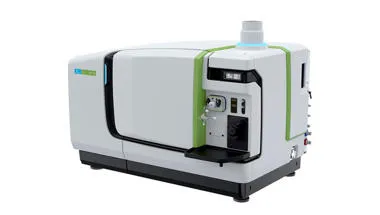
PerkinElmer NexION 5000 ICP-MS
Multi-quadrupole ICP-MS for highly sensitive bulk elemental quantification in solution samples.
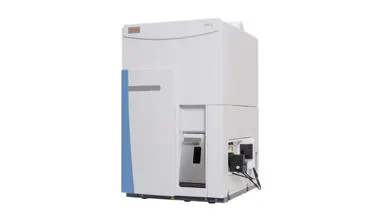
Thermofisher iCAP TQ ICP-MS
Triple quadrupole ICP-MS for sensitive elemental analysis with advanced interference removal.

Thermo Fisher iCAP MTX ICP-MS
Triple quadrupole ICP-MS for elemental imaging and single-cell laser ablation analysis.
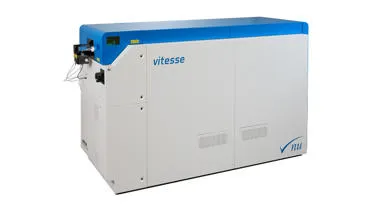
Vitesse ICP-TOF-MS
High-speed time-of-flight ICP-MS for metallomic imaging and multi-element analysis.

Teledyne Iridia Laser Ablation System
193 nm laser ablation platform for high-resolution elemental imaging of diverse sample types.

ESI MicroFAST sample introduction system
Automated sample introduction system for low-volume, high-throughput single-cell ICP-MS analysis.

Leica CM1950 Cryostat
Cryostat microtome for preparation of frozen sections for laser ablation ICP-MS imaging and spatial metallomics applications.
The London Metallomics Facility contributes to research impact by enabling high-quality metallomic analysis across a wide range of scientific questions and application areas. Through staff-delivered analytical services, specialist sample preparation and collaborative project support, the facility helps generate robust datasets that underpin publications, interdisciplinary partnerships, translational research and method development. The LMF also plays an important role in strengthening the visibility of metallomics at King’s and in the wider research community through strategic collaborations, scientific leadership and contributions to major initiatives.
Method development and analytical innovation
The LMF contributes to methodological innovation by supporting the development and application of advanced workflows in metallomic imaging, laser ablation analysis and single-cell elemental measurement. By combining specialist instrumentation with staff expertise in sample preparation, acquisition strategy and data interpretation, the facility helps extend the analytical possibilities of metallomics and supports technically demanding projects that require tailored experimental approaches.
Interdisciplinary reach across research areas
The facility supports research across a broad range of disciplines, including biomedicine, environmental science, toxicology, materials science and spatial biology. This interdisciplinary reach reflects the versatility of metallomic analysis and highlights the LMF’s strategic value as a shared research platform that enables collaboration across departments, faculties and external partners.

9th International Symposium on Metallomics, London
King’s College London hosted the 9th International Symposium on Metallomics in June 2024, bringing together an international community of researchers, experts and industry partners. The event reflected the LMF’s role in helping to shape and connect the metallomics field, while strengthening the visibility of King’s as a centre for metallomic research.

Komodo dragons have iron-coated teeth to rip apart their prey
Work supported by the LMF has contributed to discoveries with broad scientific and public interest, including research showing that the serrated edges of Komodo dragon teeth are enriched with iron. This study highlights how metallomic analysis can provide new insight into biological structure and function and illustrates the facility’s contribution to impactful interdisciplinary research.

The roles of metals in human health
LMF-supported research contributes to a deeper understanding of the roles of metals in human health and disease, with relevance to areas such as diabetes, cancer, neurodegeneration and cardiovascular biology. By supporting projects from experimental design through to data interpretation, the facility helps generate evidence that can inform both fundamental discovery and translational research.

King's Together Strategic Award - Metallomics Symposium 2021
This strategic award helped support interdisciplinary activity in metallomics, strengthening collaboration, scientific exchange and the visibility of the field at King’s College London.
Awards
The London Metallomics Facility has attracted support through a range of competitive funding awards that have helped strengthen its analytical capabilities, expand interdisciplinary research and support method development in metallomics. These awards reflect the facility’s contribution to strategic research priorities across health, environment and technology-focused applications.
-
London Metallomics Facility - Wellcome Trust Multi-user Equipment Grant
-
Metallomic profiling and redox signalling in human coronary artery endothelial and smooth muscle cells in physiological normoxia and ischaemia/reperfusion injury - Heart Research UK
-
Multidimensional Metallomic Imaging for Environmental Hazard Analysis - Natural Environment Research Council
-
PET metallomics in cancer: predicting response to platinum drugs - Medical Research Council
-
Metallomic Profiling and Imaging for Understanding Skin and Scalp Biology - BBSRC LIDo
-
Metal Fingerprints in Normal Cell States and Disease - King's Together Strategic Award
- Integrated multi-modal tissue state mapping of TNBC progression-
2026
Carp, D.M. et al. (2026) ‘Single-cell assessment of iron content in primary human T cells using laser ablation inductively coupled plasma mass spectrometry’, Cell Reports Methods. https://doi.org/10.1016/j.crmeth.2026.101343.
Ferlazzo, A. et al. (2026) ‘Sustainable Xanthine-Grafted Alginate Biosensing Platform for Metabolic Disorder Diagnostics’, ACS Omega. https://doi.org/10.1021/acsomega.6c02447.
2025
Gao, L. et al. (2025) ‘Molecular MRI of Collagen Enables Evaluation of Fibrosis and Therapeutic Response in Venous Thrombosis’, Circulation: Cardiovascular Imaging. https://www.ahajournals.org/doi/10.1161/CIRCIMAGING.125.018784.
Sirovica, S. et al. (2025) ‘Intergenerational Impact of Paternal Low-Protein Diet on Offspring Bone Health in Mice’, Function. https://academic.oup.com/function/article/doi/10.1093/function/zqaf051/8305916.
Ooi, H.L. et al. (2025) ‘Beyond the Surface: Mechanical and Porosity Gradients in Eroded Enamel’, Journal of Dental Research. https://doi.org/10.1177/00220345251385464.
Patel, N. et al. (2025) ‘Mass spectrometric imaging and quantitative analysis of the in vivo biodistribution of trastuzumab using a rhodium(III) sarcophagine complex’, Inorganic Chemistry Frontiers. https://pubs.rsc.org/en/content/articlelanding/2025/qi/d5qi00731c
Frangos, T. et al. (2025) ‘Biometal concentrations, distribution and re-distribution in the thymus of healthy mice and mice with inflammatory arthritis’, Journal of Trace Elements in Medicine and Biology. https://linkinghub.elsevier.com/retrieve/pii/S0946672X25001129
Kose, T. et al. (2025) ‘The effect of fortification on in vitro iron and zinc bioavailability in plant-based meat alternatives’, Journal of Food Composition and Analysis. https://linkinghub.elsevier.com/retrieve/pii/S0889157525007665
Spiro, S. et al. (2025) ‘Hemosiderosis is associated with increased susceptibility to Yersinia pseudotuberculosis infection in Seba’s short-tailed bats (Carollia perspicillata)’, Veterinary Pathology. https://doi.org/10.1177/03009858251343017
Agostinho de Sousa, J. et al. (2025) ‘Metallomic profiles of pregnant women living with obesity in the UK: a secondary analysis of UPBEAT’, Metallomics. https://doi.org/10.1093/mtomcs/mfaf031
2024
Molina-López, J. et al. (2024) ‘Zinc transporters expression profile in professional handball players supplemented with zinc’, Journal of Trace Elements in Medicine and Biology. https://www.sciencedirect.com/science/article/pii/S0946672X24000932
Aslam, M.F. et al. (2024) ‘Micronization of wholewheat flour increases iron bioavailability from hydrothermally processed wheat flour dough’, Food Research International. https://linkinghub.elsevier.com/retrieve/pii/S0963996924012195
LeBlanc, A.R.H. et al. (2024) ‘Iron-coated Komodo dragon teeth and the complex dental enamel of carnivorous reptiles’, Nature Ecology & Evolution. https://www.nature.com/articles/s41559-024-02477-7.
Karpov, M.A. et al. (2024) ‘Metallomic mapping of gut and brain in heavy metal exposed earthworms: A novel paradigm in ecotoxicology’, Biochemical and Biophysical Research Communications. https://www.sciencedirect.com/science/article/pii/S0006291X24003632
Kaasalainen, M. et al. (2024) ‘Lithiated porous silicon nanowires stimulate periodontal regeneration’, Nature Communications. https://www.nature.com/articles/s41467-023-44581-5
2023
de Boer, L.L. et al. (2023) ‘T cell migration requires ion and water influx to regulate actin polymerization’, Nature Communications. https://www.nature.com/articles/s41467-023-43423-8
Essig, Y.J. et al. (2023) ‘Juggling cadmium detoxification and zinc homeostasis: A division of labour between the two C. elegans metallothioneins’, Chemosphere. https://linkinghub.elsevier.com/retrieve/pii/S0045653523032915.
Darwesh, A.M.F. et al. (2023) ‘In Vivo Trafficking of the Anticancer Drug Tris(8-Quinolinolato) Gallium (III) (KP46) by Gallium-68/67 PET/SPECT Imaging’, Molecules. https://www.mdpi.com/1420-3049/28/20/7217
Hu, X. et al. (2023) ‘Aryl hydrocarbon receptor utilises cellular zinc signals to maintain the gut epithelial barrier’, Nature Communications. https://www.nature.com/articles/s41467-023-41168-y
Zheng, J.-L. et al. (2023) ‘Zinc pre-exposure improves Zn resistance by demethylation of metallothionein 2 and transcription regulation of zinc-regulatory genes in zebrafish ZF4 cells’, Aquatic Toxicology. https://www.sciencedirect.com/science/article/pii/S0166445X23002084
Yang, F. et al. (2023) ‘Vascular protection afforded by zinc supplementation in human coronary artery smooth muscle cells mediated by NRF2 signaling under hypoxia/reoxygenation’, Redox Biology. https://www.sciencedirect.com/science/article/pii/S2213231723001787
Weston, A. et al. (2023) ‘The influence of ions on the lubricative abilities of mucin and the role of sialic acids’, Colloids and Surfaces B: Biointerfaces. https://www.sciencedirect.com/science/article/pii/S0927776523002059.
Smith, M.J. et al. (2023) ‘Redox and metal profiles in human coronary endothelial and smooth muscle cells under hyperoxia, physiological normoxia and hypoxia: Effects of NRF2 signaling on intracellular zinc’, Redox Biology. https://www.sciencedirect.com/science/article/pii/S2213231723001131
Han, S. et al. (2023) ‘Spatiotemporal tracking of gold nanorods after intranasal administration for brain targeting’, Journal of Controlled Release. https://www.sciencedirect.com/science/article/pii/S0168365923002729
Firth, G. et al. (2023) ‘Impact of an SLC30A8 loss-of-function variant on the pancreatic distribution of zinc and manganese: laser ablation-ICP-MS and positron emission tomography studies in mice’, Frontiers in Endocrinology. https://www.frontiersin.org/journals/endocrinology/articles/10.3389/fendo.2023.1171933/full
Morrell, A.P. et al. (2023) ‘Addressing uncertainties in correlative imaging of exogenous particles with the tissue microanatomy with synchronous imaging strategies’, Metallomics. https://doi.org/10.1093/mtomcs/mfad030
2022 Publications
Wan Y, Stewart T, Amrahli M, Evans J, Sharp P, Govindan V, Hawkesford MJ, Shewry PR, (2022) Localisation of iron and zinc in grain of biofortified wheat, J. Cereal Sci. in press.
2021 Publications
Goncalves J., Moog S, Morin A, Gentric G, Müller S, Morrell AP, Kluckova K, Stewart TJ, Andoniadou CL, Lussey-Lepoutre C, Bénit P, Thakker A, Vettore L, Roberts J, Rodriguez R, Mechta-Grigoriou F, Gimenez-Roqueplo AP, Letouzé E, Tennant DA, Favier J (2021) Loss of SDHB Promotes Dysregulated Iron Homeostasis, Oxidative Stress, and Sensitivity to Ascorbate, Cancer Res. 81:3480–3494.
Unosson J, Kabéle M, Boman C, Nyström R, Sadiktsis I, Westerholm R, Mudway IS, Purdie E, Raftis J, Miller MR, Mills NL, Newby DE, Blomberg A, Sandström T, Bosson JA (2021) Acute cardiovascular effects of controlled exposure to dilute Petrodiesel and biodiesel exhaust in healthy volunteers: a crossover study. Part Fibre Toxicol. 18:22.
Osytek KM, Blower PJ, Costa IM, Smith GE, Abbate V, Terry SYA (2021) In vitro proof of concept studies of radiotoxicity from Auger electron-emitter thallium-201 EJNMMI Res 11: 63.
Alaohali A, Brauer DS, Gentleman E, Sharpe PT (2021) A modified glass ionomer cement to mediate dentine repair Dental Materials 37:1307-1315.
Frangos T, Maret W (2021) Zinc and Cadmium in the Aetiology and Pathogenesis of Osteoarthritis and Rheumatoid Arthritis. Nutrients. 13:53.
2020 Publications
Ashraf A, Jeandriens J, Parkes HG, So PW (2020) Iron dyshomeostasis, lipid peroxidation and perturbed expression of cystine/glutamate antiporter in Alzheimer's disease: Evidence of ferroptosis. Redox Biology 32:101494.
Kutscher D, Asogan D, Mudway I, Brekke P, Beales C, Wang X, Perkins M, Maret W, Stewart T (2020) Imaging of Trace Elements Using Laser Ablation–Inductively Coupled Plasma–Mass Spectrometry: Emerging New Applications Spectroscopy 35:16–26.
Muraina IA, Bury NR, Scott A, Graham A, Hogstrand C (2020) The zebrafish Znt1asa17 mutant reveals roles of zinc transporter-1a in embryonic development. J. Trace Elem. Med. Biol. 60:126496.
Selley L, Schuster L, Marbach H, Forsthuber T, Forbes B, Gant TW, Sandstrom T, Camina N, Athersuch TJ, Mudway I, Kumar A (2020) Brake dust exposure exacerbates inflammation and transiently compromises phagocytosis in macrophages. Metallomics. 12:371-386.
2019 Publications
Fitzgerald, J.A.; Urbina, M.G.; Rogers, N.J.; Bury, N.R.; Katsiadaki, I.; Wilson, R.W.; Santos, E.M.; (2019) Sublethal exposure to copper supresses the ability to acclimate to hypoxia in a model fish species. Aquatic Toxicology 217:105325.
Stewart, T.J.; (2019) Across the spectrum: integrating multidimensional metal analytics for in situ metallomic imaging. Metallomics. 11:29–49.
Zhang K, Alaohali A, Sawangboon N, Sharpe PT, Brauer DS, Gentleman E (2019) A comparison of lithium-substituted phosphate and borate bioactive glasses for mineralised tissue repair Dental Materials 35: 919-927.
Maret W (2019) The redox biology of redox-inert zinc ions. Free Radic Biol Med. 134:311-326.
Koppenol WH, Hider R (2019) Iron and redox cycling. Do's and don'ts. Free Radic Biol Med. 133:3-10.
Kose T, Vera-Aviles M, Sharp PA, Latunde-Dada GO (2019) Curcumin and (−)- Epigallocatechin-3-Gallate Protect Murine MIN6 Pancreatic Beta-Cells against Iron Toxicity and Erastin-Induced Ferroptosis Pharmaceuticals. 12: 26.
Ashraf A, Stosnach H, Parkes HG, Hye A, Powell J, So PW (2019) Pattern of Altered Plasma Elemental Phosphorus, Calcium, Zinc, and Iron in Alzheimer’s Disease. Scientific Reports 9:3147.
Cusnir R, Cakebread A, Cooper MS, Young JD, Blower PJ, Ma MT (2019) The effects of trace metal impurities on Ga-68-radiolabelling with a tris(3-hydroxy-1,6-dimethylpyridin-4-one) (THP) chelator RSC Advances 9: 37214-37221.
Lawson R, Maret W, Hogstrand C (2019) ZnT8 Haploinsufficiency Impacts MIN6 cell zinc content and β-cell phenotype via ZIP-ZnT8 coregulation Int. J. Mol. Sci. 21:5485.
2018 Publications
Pfeffer PE, Lu H, Mann EH, Chen YH, Ho TR, Cousins DJ, Corrigan C, Kelly FJ, Mudway IS, Hawrylowicz CM (2018) Effects of vitamin D on inflammatory and oxidative stress responses of human bronchial epithelial cells exposed to particulate matter. PLoS One 8:e0200040.
Prabhu PAJ, Stewart T, Silva M, Amlund H, Ørnsrud, R, Lock EJ, Waagbo R, Hogstrand C (2018) Zinc uptake in fish intestinal epithelial model RTgutGC: Impact of media ion composition and methionine chelation J Trace Elem Med Biol. 50:377-383.
Lawson R, Maret W, Hogstrand C (2018) Prolonged stimulation of insulin release from MIN6 cells causes zinc depletion and loss of β-cell markers J Trace Elem Med Biol. 49: 51-59.
Parsons D, Hogstrand C, Maret W (2018) The C-terminal cytosolic domain of the human zinc transporter ZnT8 and its diabetes risk variant FEBS Journal 285: 1237-1250.
Maret W (2018) Metallomics: The Science of Biometals and Biometalloids. Adv Exp Med Biol. 1055:1-20.
Bartnika JJ, Blower PJ (2018) Insights into Trace Metal Metabolism in Health and Disease from PET: PET Metallomics. J Nucl Med. 59:1355-1359.
Miyashita L, Suri R, Dearing E, Mudway I, Dove RE, Neill DR, Van Zyl-Smit R, Kadioglu A, Grigg J (2018) E-cigarette vapour enhances pneumococcal adherence to airway epithelial cells. Eur Respir J. 51:1701592.
Jarvis IWH, Enlo-Scott Z, Nagy E, Mudway IS, Tetley TD, Arlt VM, Phillips DH (2018) Genotoxicity of fine and coarse fraction ambient particulate matter in immortalised normal (TT1) and cancer-derived (A549) alveolar epithelial cells. Environ Mol Mutagen. 59:290-301.
The London Metallomics Facility operates on a service basis and does not provide direct access to its equipment or infrastructure.
Prospective users should contact the facility by email at lmf@kcl.ac.uk to arrange an initial consultation with the LMF team, where project aims, sample types and analytical requirements can be discussed. Following this discussion, the team will advise on the most appropriate analytical approach, sample preparation needs, expected timeframes and associated costs. This process ensures that each project is planned appropriately and supported by the specialist expertise of LMF staff from the outset.
The London Metallomics Facility offers a range of specialist analytical capabilities for quantifying and imaging metals across biological, environmental and material samples. Supported by advanced instrumentation, dedicated sample preparation infrastructure including a metal-free clean room, and expert staff input, these services are delivered by LMF staff and provide end-to-end support from experimental design through to data processing and post-analysis interpretation.
Bulk solution ICP-MS analysis
High-sensitivity quantitative elemental analysis of solution samples using ICP-MS.
Imaging LA-ICP-MS
Spatially resolved elemental imaging of solid samples using laser ablation ICP-MS.
Laser ablation single-cell ICP-MS
Single-cell elemental analysis using laser ablation ICP-MS for spatially targeted measurements.
Solution single-cell ICP-MS
High-throughput elemental analysis of individual cells in suspension using single-cell ICP-MS.
Sample preparation
Specialist sample preparation infrastructure for low-contamination workflows and high-throughput elemental analysis.
Cryosectioning for imaging analysis
Preparation of frozen tissue sections for elemental imaging using a Leica CM1950 cryostat with tungsten carbide blades.
Facility staff
Manager - London Metallomics Facility
Mass Spectrometry Analyst, London Metallomics Facility
Mass Spectrometry Analyst, London Metallomics Facility
Senior Mass Spectrometry Analyst
Affiliated academics
Professor in the Physical Sciences of Life
Dean of Research Excellence Frameworks
Reader in Bioanalysis
UKRI Future Leader Fellow
The London Metallomics Facility is equipped with a diverse portfolio of advanced instrumentation designed to support high-sensitivity elemental analysis across a wide range of samples. From bulk quantification to high-resolution imaging, our equipment enables researchers to investigate the distribution and concentration of metals in biological, environmental and material systems. Combined with specialist sample preparation infrastructure and expert technical support, this platform allows us to deliver flexible, high-quality analytical workflows tailored to a broad range of research applications.
Related equipment
PerkinElmer NexION 5000 ICP-MS
Multi-quadrupole ICP-MS for highly sensitive bulk elemental quantification in solution samples.
Thermofisher iCAP TQ ICP-MS
Triple quadrupole ICP-MS for sensitive elemental analysis with advanced interference removal.
Thermo Fisher iCAP MTX ICP-MS
Triple quadrupole ICP-MS for elemental imaging and single-cell laser ablation analysis.
Vitesse ICP-TOF-MS
High-speed time-of-flight ICP-MS for metallomic imaging and multi-element analysis.
Teledyne Iridia Laser Ablation System
193 nm laser ablation platform for high-resolution elemental imaging of diverse sample types.
ESI MicroFAST sample introduction system
Automated sample introduction system for low-volume, high-throughput single-cell ICP-MS analysis.
Leica CM1950 Cryostat
Cryostat microtome for preparation of frozen sections for laser ablation ICP-MS imaging and spatial metallomics applications.
The London Metallomics Facility contributes to research impact by enabling high-quality metallomic analysis across a wide range of scientific questions and application areas. Through staff-delivered analytical services, specialist sample preparation and collaborative project support, the facility helps generate robust datasets that underpin publications, interdisciplinary partnerships, translational research and method development. The LMF also plays an important role in strengthening the visibility of metallomics at King’s and in the wider research community through strategic collaborations, scientific leadership and contributions to major initiatives.
Method development and analytical innovation
The LMF contributes to methodological innovation by supporting the development and application of advanced workflows in metallomic imaging, laser ablation analysis and single-cell elemental measurement. By combining specialist instrumentation with staff expertise in sample preparation, acquisition strategy and data interpretation, the facility helps extend the analytical possibilities of metallomics and supports technically demanding projects that require tailored experimental approaches.
Interdisciplinary reach across research areas
The facility supports research across a broad range of disciplines, including biomedicine, environmental science, toxicology, materials science and spatial biology. This interdisciplinary reach reflects the versatility of metallomic analysis and highlights the LMF’s strategic value as a shared research platform that enables collaboration across departments, faculties and external partners.
9th International Symposium on Metallomics, London
King’s College London hosted the 9th International Symposium on Metallomics in June 2024, bringing together an international community of researchers, experts and industry partners. The event reflected the LMF’s role in helping to shape and connect the metallomics field, while strengthening the visibility of King’s as a centre for metallomic research.
Komodo dragons have iron-coated teeth to rip apart their prey
Work supported by the LMF has contributed to discoveries with broad scientific and public interest, including research showing that the serrated edges of Komodo dragon teeth are enriched with iron. This study highlights how metallomic analysis can provide new insight into biological structure and function and illustrates the facility’s contribution to impactful interdisciplinary research.
The roles of metals in human health
LMF-supported research contributes to a deeper understanding of the roles of metals in human health and disease, with relevance to areas such as diabetes, cancer, neurodegeneration and cardiovascular biology. By supporting projects from experimental design through to data interpretation, the facility helps generate evidence that can inform both fundamental discovery and translational research.
King's Together Strategic Award - Metallomics Symposium 2021
This strategic award helped support interdisciplinary activity in metallomics, strengthening collaboration, scientific exchange and the visibility of the field at King’s College London.
Awards
The London Metallomics Facility has attracted support through a range of competitive funding awards that have helped strengthen its analytical capabilities, expand interdisciplinary research and support method development in metallomics. These awards reflect the facility’s contribution to strategic research priorities across health, environment and technology-focused applications.
-
London Metallomics Facility - Wellcome Trust Multi-user Equipment Grant
-
Metallomic profiling and redox signalling in human coronary artery endothelial and smooth muscle cells in physiological normoxia and ischaemia/reperfusion injury - Heart Research UK
-
Multidimensional Metallomic Imaging for Environmental Hazard Analysis - Natural Environment Research Council
-
PET metallomics in cancer: predicting response to platinum drugs - Medical Research Council
-
Metallomic Profiling and Imaging for Understanding Skin and Scalp Biology - BBSRC LIDo
-
Metal Fingerprints in Normal Cell States and Disease - King's Together Strategic Award
- Integrated multi-modal tissue state mapping of TNBC progression-
2026
Carp, D.M. et al. (2026) ‘Single-cell assessment of iron content in primary human T cells using laser ablation inductively coupled plasma mass spectrometry’, Cell Reports Methods. https://doi.org/10.1016/j.crmeth.2026.101343.
Ferlazzo, A. et al. (2026) ‘Sustainable Xanthine-Grafted Alginate Biosensing Platform for Metabolic Disorder Diagnostics’, ACS Omega. https://doi.org/10.1021/acsomega.6c02447.
2025
Gao, L. et al. (2025) ‘Molecular MRI of Collagen Enables Evaluation of Fibrosis and Therapeutic Response in Venous Thrombosis’, Circulation: Cardiovascular Imaging. https://www.ahajournals.org/doi/10.1161/CIRCIMAGING.125.018784.
Sirovica, S. et al. (2025) ‘Intergenerational Impact of Paternal Low-Protein Diet on Offspring Bone Health in Mice’, Function. https://academic.oup.com/function/article/doi/10.1093/function/zqaf051/8305916.
Ooi, H.L. et al. (2025) ‘Beyond the Surface: Mechanical and Porosity Gradients in Eroded Enamel’, Journal of Dental Research. https://doi.org/10.1177/00220345251385464.
Patel, N. et al. (2025) ‘Mass spectrometric imaging and quantitative analysis of the in vivo biodistribution of trastuzumab using a rhodium(III) sarcophagine complex’, Inorganic Chemistry Frontiers. https://pubs.rsc.org/en/content/articlelanding/2025/qi/d5qi00731c
Frangos, T. et al. (2025) ‘Biometal concentrations, distribution and re-distribution in the thymus of healthy mice and mice with inflammatory arthritis’, Journal of Trace Elements in Medicine and Biology. https://linkinghub.elsevier.com/retrieve/pii/S0946672X25001129
Kose, T. et al. (2025) ‘The effect of fortification on in vitro iron and zinc bioavailability in plant-based meat alternatives’, Journal of Food Composition and Analysis. https://linkinghub.elsevier.com/retrieve/pii/S0889157525007665
Spiro, S. et al. (2025) ‘Hemosiderosis is associated with increased susceptibility to Yersinia pseudotuberculosis infection in Seba’s short-tailed bats (Carollia perspicillata)’, Veterinary Pathology. https://doi.org/10.1177/03009858251343017
Agostinho de Sousa, J. et al. (2025) ‘Metallomic profiles of pregnant women living with obesity in the UK: a secondary analysis of UPBEAT’, Metallomics. https://doi.org/10.1093/mtomcs/mfaf031
2024
Molina-López, J. et al. (2024) ‘Zinc transporters expression profile in professional handball players supplemented with zinc’, Journal of Trace Elements in Medicine and Biology. https://www.sciencedirect.com/science/article/pii/S0946672X24000932
Aslam, M.F. et al. (2024) ‘Micronization of wholewheat flour increases iron bioavailability from hydrothermally processed wheat flour dough’, Food Research International. https://linkinghub.elsevier.com/retrieve/pii/S0963996924012195
LeBlanc, A.R.H. et al. (2024) ‘Iron-coated Komodo dragon teeth and the complex dental enamel of carnivorous reptiles’, Nature Ecology & Evolution. https://www.nature.com/articles/s41559-024-02477-7.
Karpov, M.A. et al. (2024) ‘Metallomic mapping of gut and brain in heavy metal exposed earthworms: A novel paradigm in ecotoxicology’, Biochemical and Biophysical Research Communications. https://www.sciencedirect.com/science/article/pii/S0006291X24003632
Kaasalainen, M. et al. (2024) ‘Lithiated porous silicon nanowires stimulate periodontal regeneration’, Nature Communications. https://www.nature.com/articles/s41467-023-44581-5
2023
de Boer, L.L. et al. (2023) ‘T cell migration requires ion and water influx to regulate actin polymerization’, Nature Communications. https://www.nature.com/articles/s41467-023-43423-8
Essig, Y.J. et al. (2023) ‘Juggling cadmium detoxification and zinc homeostasis: A division of labour between the two C. elegans metallothioneins’, Chemosphere. https://linkinghub.elsevier.com/retrieve/pii/S0045653523032915.
Darwesh, A.M.F. et al. (2023) ‘In Vivo Trafficking of the Anticancer Drug Tris(8-Quinolinolato) Gallium (III) (KP46) by Gallium-68/67 PET/SPECT Imaging’, Molecules. https://www.mdpi.com/1420-3049/28/20/7217
Hu, X. et al. (2023) ‘Aryl hydrocarbon receptor utilises cellular zinc signals to maintain the gut epithelial barrier’, Nature Communications. https://www.nature.com/articles/s41467-023-41168-y
Zheng, J.-L. et al. (2023) ‘Zinc pre-exposure improves Zn resistance by demethylation of metallothionein 2 and transcription regulation of zinc-regulatory genes in zebrafish ZF4 cells’, Aquatic Toxicology. https://www.sciencedirect.com/science/article/pii/S0166445X23002084
Yang, F. et al. (2023) ‘Vascular protection afforded by zinc supplementation in human coronary artery smooth muscle cells mediated by NRF2 signaling under hypoxia/reoxygenation’, Redox Biology. https://www.sciencedirect.com/science/article/pii/S2213231723001787
Weston, A. et al. (2023) ‘The influence of ions on the lubricative abilities of mucin and the role of sialic acids’, Colloids and Surfaces B: Biointerfaces. https://www.sciencedirect.com/science/article/pii/S0927776523002059.
Smith, M.J. et al. (2023) ‘Redox and metal profiles in human coronary endothelial and smooth muscle cells under hyperoxia, physiological normoxia and hypoxia: Effects of NRF2 signaling on intracellular zinc’, Redox Biology. https://www.sciencedirect.com/science/article/pii/S2213231723001131
Han, S. et al. (2023) ‘Spatiotemporal tracking of gold nanorods after intranasal administration for brain targeting’, Journal of Controlled Release. https://www.sciencedirect.com/science/article/pii/S0168365923002729
Firth, G. et al. (2023) ‘Impact of an SLC30A8 loss-of-function variant on the pancreatic distribution of zinc and manganese: laser ablation-ICP-MS and positron emission tomography studies in mice’, Frontiers in Endocrinology. https://www.frontiersin.org/journals/endocrinology/articles/10.3389/fendo.2023.1171933/full
Morrell, A.P. et al. (2023) ‘Addressing uncertainties in correlative imaging of exogenous particles with the tissue microanatomy with synchronous imaging strategies’, Metallomics. https://doi.org/10.1093/mtomcs/mfad030
2022 Publications
Wan Y, Stewart T, Amrahli M, Evans J, Sharp P, Govindan V, Hawkesford MJ, Shewry PR, (2022) Localisation of iron and zinc in grain of biofortified wheat, J. Cereal Sci. in press.
2021 Publications
Goncalves J., Moog S, Morin A, Gentric G, Müller S, Morrell AP, Kluckova K, Stewart TJ, Andoniadou CL, Lussey-Lepoutre C, Bénit P, Thakker A, Vettore L, Roberts J, Rodriguez R, Mechta-Grigoriou F, Gimenez-Roqueplo AP, Letouzé E, Tennant DA, Favier J (2021) Loss of SDHB Promotes Dysregulated Iron Homeostasis, Oxidative Stress, and Sensitivity to Ascorbate, Cancer Res. 81:3480–3494.
Unosson J, Kabéle M, Boman C, Nyström R, Sadiktsis I, Westerholm R, Mudway IS, Purdie E, Raftis J, Miller MR, Mills NL, Newby DE, Blomberg A, Sandström T, Bosson JA (2021) Acute cardiovascular effects of controlled exposure to dilute Petrodiesel and biodiesel exhaust in healthy volunteers: a crossover study. Part Fibre Toxicol. 18:22.
Osytek KM, Blower PJ, Costa IM, Smith GE, Abbate V, Terry SYA (2021) In vitro proof of concept studies of radiotoxicity from Auger electron-emitter thallium-201 EJNMMI Res 11: 63.
Alaohali A, Brauer DS, Gentleman E, Sharpe PT (2021) A modified glass ionomer cement to mediate dentine repair Dental Materials 37:1307-1315.
Frangos T, Maret W (2021) Zinc and Cadmium in the Aetiology and Pathogenesis of Osteoarthritis and Rheumatoid Arthritis. Nutrients. 13:53.
2020 Publications
Ashraf A, Jeandriens J, Parkes HG, So PW (2020) Iron dyshomeostasis, lipid peroxidation and perturbed expression of cystine/glutamate antiporter in Alzheimer's disease: Evidence of ferroptosis. Redox Biology 32:101494.
Kutscher D, Asogan D, Mudway I, Brekke P, Beales C, Wang X, Perkins M, Maret W, Stewart T (2020) Imaging of Trace Elements Using Laser Ablation–Inductively Coupled Plasma–Mass Spectrometry: Emerging New Applications Spectroscopy 35:16–26.
Muraina IA, Bury NR, Scott A, Graham A, Hogstrand C (2020) The zebrafish Znt1asa17 mutant reveals roles of zinc transporter-1a in embryonic development. J. Trace Elem. Med. Biol. 60:126496.
Selley L, Schuster L, Marbach H, Forsthuber T, Forbes B, Gant TW, Sandstrom T, Camina N, Athersuch TJ, Mudway I, Kumar A (2020) Brake dust exposure exacerbates inflammation and transiently compromises phagocytosis in macrophages. Metallomics. 12:371-386.
2019 Publications
Fitzgerald, J.A.; Urbina, M.G.; Rogers, N.J.; Bury, N.R.; Katsiadaki, I.; Wilson, R.W.; Santos, E.M.; (2019) Sublethal exposure to copper supresses the ability to acclimate to hypoxia in a model fish species. Aquatic Toxicology 217:105325.
Stewart, T.J.; (2019) Across the spectrum: integrating multidimensional metal analytics for in situ metallomic imaging. Metallomics. 11:29–49.
Zhang K, Alaohali A, Sawangboon N, Sharpe PT, Brauer DS, Gentleman E (2019) A comparison of lithium-substituted phosphate and borate bioactive glasses for mineralised tissue repair Dental Materials 35: 919-927.
Maret W (2019) The redox biology of redox-inert zinc ions. Free Radic Biol Med. 134:311-326.
Koppenol WH, Hider R (2019) Iron and redox cycling. Do's and don'ts. Free Radic Biol Med. 133:3-10.
Kose T, Vera-Aviles M, Sharp PA, Latunde-Dada GO (2019) Curcumin and (−)- Epigallocatechin-3-Gallate Protect Murine MIN6 Pancreatic Beta-Cells against Iron Toxicity and Erastin-Induced Ferroptosis Pharmaceuticals. 12: 26.
Ashraf A, Stosnach H, Parkes HG, Hye A, Powell J, So PW (2019) Pattern of Altered Plasma Elemental Phosphorus, Calcium, Zinc, and Iron in Alzheimer’s Disease. Scientific Reports 9:3147.
Cusnir R, Cakebread A, Cooper MS, Young JD, Blower PJ, Ma MT (2019) The effects of trace metal impurities on Ga-68-radiolabelling with a tris(3-hydroxy-1,6-dimethylpyridin-4-one) (THP) chelator RSC Advances 9: 37214-37221.
Lawson R, Maret W, Hogstrand C (2019) ZnT8 Haploinsufficiency Impacts MIN6 cell zinc content and β-cell phenotype via ZIP-ZnT8 coregulation Int. J. Mol. Sci. 21:5485.
2018 Publications
Pfeffer PE, Lu H, Mann EH, Chen YH, Ho TR, Cousins DJ, Corrigan C, Kelly FJ, Mudway IS, Hawrylowicz CM (2018) Effects of vitamin D on inflammatory and oxidative stress responses of human bronchial epithelial cells exposed to particulate matter. PLoS One 8:e0200040.
Prabhu PAJ, Stewart T, Silva M, Amlund H, Ørnsrud, R, Lock EJ, Waagbo R, Hogstrand C (2018) Zinc uptake in fish intestinal epithelial model RTgutGC: Impact of media ion composition and methionine chelation J Trace Elem Med Biol. 50:377-383.
Lawson R, Maret W, Hogstrand C (2018) Prolonged stimulation of insulin release from MIN6 cells causes zinc depletion and loss of β-cell markers J Trace Elem Med Biol. 49: 51-59.
Parsons D, Hogstrand C, Maret W (2018) The C-terminal cytosolic domain of the human zinc transporter ZnT8 and its diabetes risk variant FEBS Journal 285: 1237-1250.
Maret W (2018) Metallomics: The Science of Biometals and Biometalloids. Adv Exp Med Biol. 1055:1-20.
Bartnika JJ, Blower PJ (2018) Insights into Trace Metal Metabolism in Health and Disease from PET: PET Metallomics. J Nucl Med. 59:1355-1359.
Miyashita L, Suri R, Dearing E, Mudway I, Dove RE, Neill DR, Van Zyl-Smit R, Kadioglu A, Grigg J (2018) E-cigarette vapour enhances pneumococcal adherence to airway epithelial cells. Eur Respir J. 51:1701592.
Jarvis IWH, Enlo-Scott Z, Nagy E, Mudway IS, Tetley TD, Arlt VM, Phillips DH (2018) Genotoxicity of fine and coarse fraction ambient particulate matter in immortalised normal (TT1) and cancer-derived (A549) alveolar epithelial cells. Environ Mol Mutagen. 59:290-301.
The London Metallomics Facility operates on a service basis and does not provide direct access to its equipment or infrastructure.
Prospective users should contact the facility by email at lmf@kcl.ac.uk to arrange an initial consultation with the LMF team, where project aims, sample types and analytical requirements can be discussed. Following this discussion, the team will advise on the most appropriate analytical approach, sample preparation needs, expected timeframes and associated costs. This process ensures that each project is planned appropriately and supported by the specialist expertise of LMF staff from the outset.
Partners
The LMF works closely with companies to advance our analytical capabilities, directly informed by the needs of our users. We acknowledge funding from Heart Research UK, British Heart Foundation, Biotechnology and Biological Sciences Research Council, Medical Research Council, King's College London and Wellcome Trust.

Teledyne CETAC Technologies

Nu Instruments

Perkin Elmer

ThermoFisher Scientific


Euro BioImaging

Contact us
King's College London Franklin Wilkin Building London, SE1 9NH